
Culture · 2026-10-30
Before the parcel arrives: why waiting becomes part of watch collecting
Preorders, production batches and the pleasure of anticipation shape the collector’s relationship with a watch before it reaches the wrist. A four-minute culture essay.
By Chronolume digest · Original English summary · Based on Chronolume original editorial; research from Farer and Heinrich
Save this watch to revisit later.
What to know
The announcement arrives instantly. The watch may arrive months later. Between those two moments, a collector can study photographs, compare straps, follow production updates and imagine an object that has not yet become part of daily life. Waiting occupies a peculiar position in watch culture: sometimes a practical consequence of making things in batches, sometimes a powerful ingredient in the story. Either way, it deserves more attention than the small delivery note beneath the purchase button.
A useful distinction is between different kinds of delay. A preorder for a published production batch is different from a queue for an allocation, and both differ from a project still raising the money to begin manufacturing. From the collector’s side, each can feel like wanting a watch that cannot yet be worn. From the maker’s side, the commitments may be very different. Folding all three into the romance of patience obscures the actual relationship being offered.
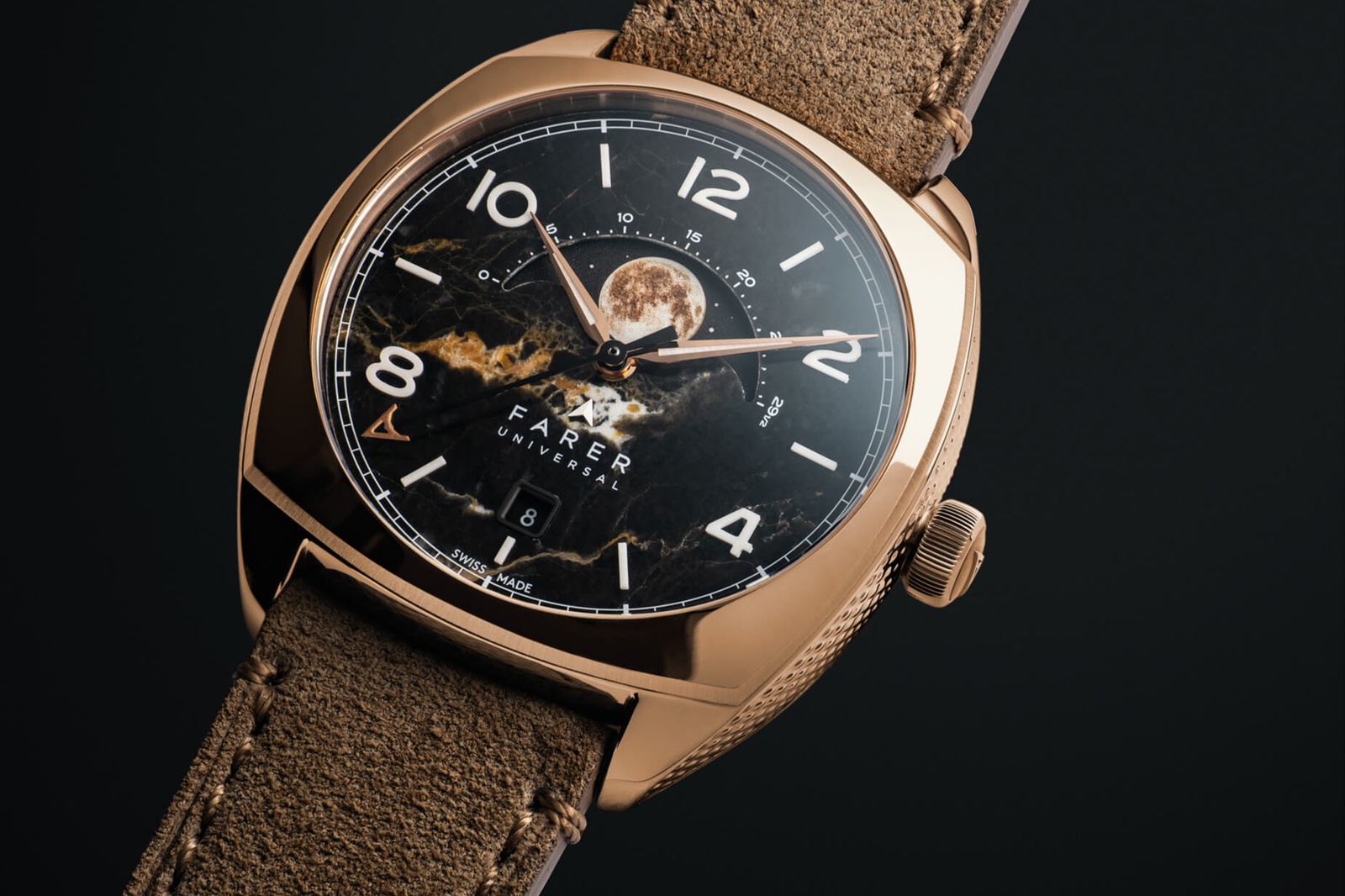
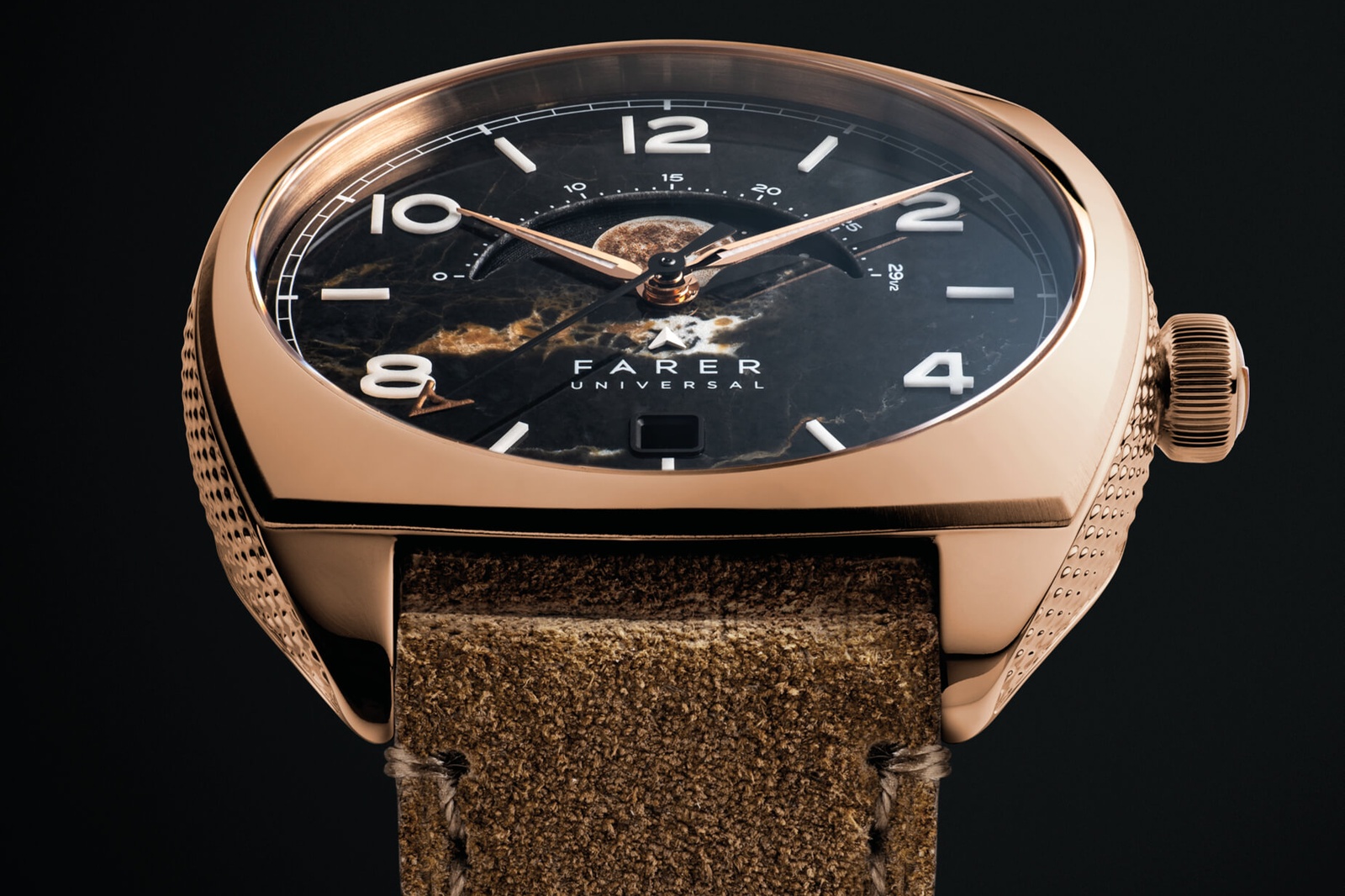
Farer’s Stratton II provides a concrete example. Its official page lists an initial batch of 100 watches, shipping on 21 December, with further batches planned for 2027. That describes a sequence of availability rather than a promise that only 100 will ever exist. For a collector, the distinction changes the emotional stakes. Missing the first delivery is not necessarily missing the watch forever. A batch number can communicate practical limits without turning the entire design into a disappearing opportunity.
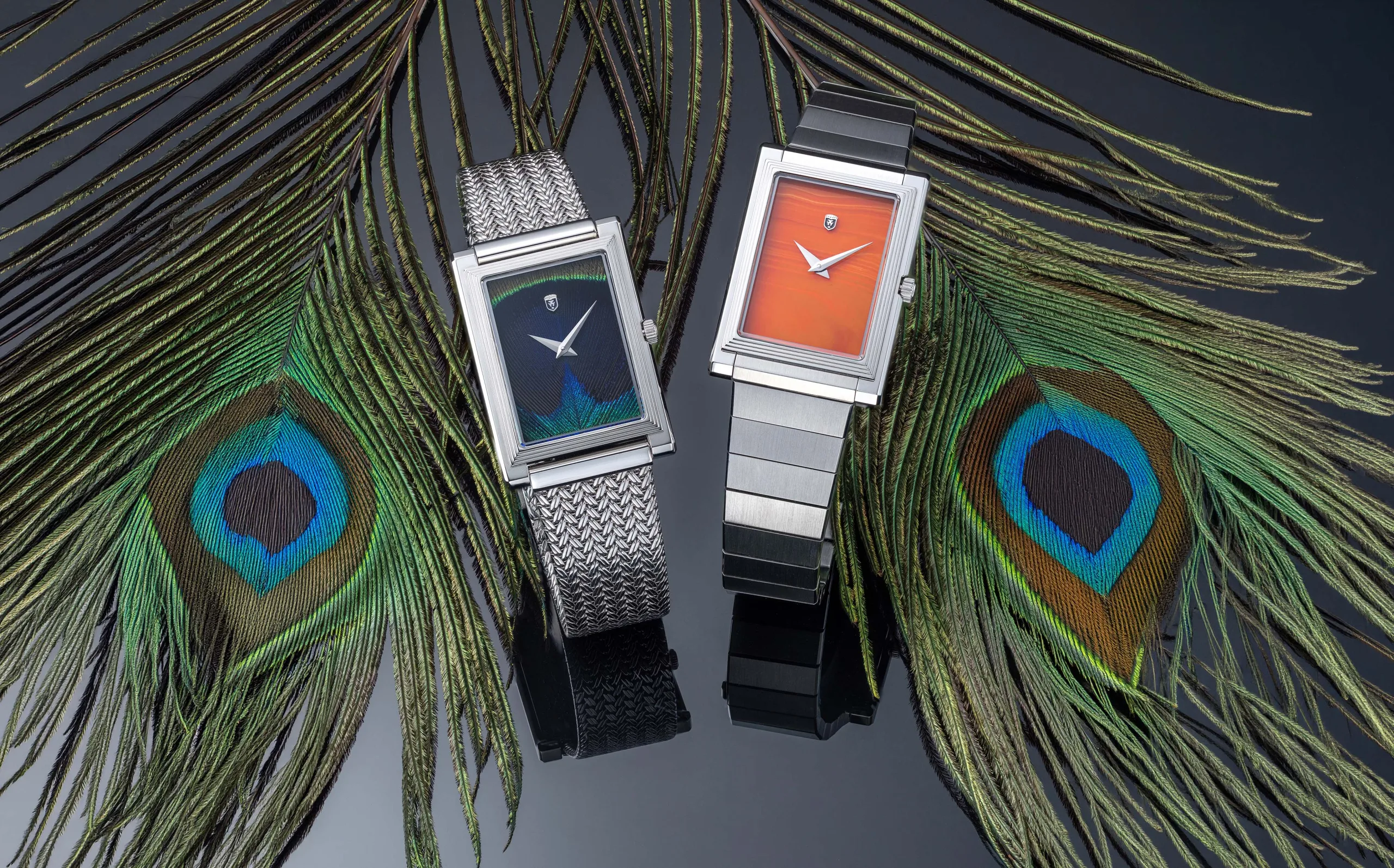
Heinrich’s DECO page uses a broader window, saying shipping begins in late November, and describes production in small series. It does not publish a fixed edition total there. That is another form of small-scale watchmaking, with a different level of scheduling precision. Neither example proves how the businesses finance production, and neither needs an invented workshop narrative to be interesting. The public facts already offer a useful reminder: small production and permanent rarity are separate ideas.
Yet the attraction of waiting cannot be reduced to logistics. A delayed arrival gives imagination room to work. The future watch can become attached to a birthday, a completed project or a picture of the person its owner hopes to be. Before scratches, strap discomfort or the inconvenience of resetting a calendar enter the relationship, the object remains unusually accommodating. It has not contradicted the collector’s expectations yet. Anticipation can be a pleasure, provided it is recognised as its own experience.
That experience also changes how collectors encounter one another. There is a ready-made conversation in a shared delivery window: which dial, which strap, which wrist size, which update? The watch becomes a topic before it becomes a possession. This can create a welcome sense of participation, especially around a small maker with an identifiable point of view. It can also make the order itself feel like an achievement. The social reward arrives early, while the physical object remains somewhere in the future.
The awkward part begins when patience is treated as evidence of discernment. An inconvenient acquisition does not establish that a watch is beautifully designed, well made or personally meaningful. Nor does immediate availability make another watch less interesting. Scarcity can intensify attention, but attention is not the same thing as judgement. A collector who enjoys an ordinary, obtainable watch has not failed to understand the hobby. Sometimes the most revealing choice is the one made without a deadline pressing against it.
This gives makers a cultural responsibility beyond announcing dates. A clear account of what has been ordered, when it is expected and what changes if production slips helps keep enthusiasm grounded. Updates matter because they make the interval understandable. That is a statement about trust, not a demand that every small company behave like a warehouse. Uncertainty is easier to accept when it is described plainly; silence leaves collectors to supply their own explanations, which are rarely identical.
Collectors can preserve the pleasure of anticipation by keeping two questions separate. Do I want this watch? Do I enjoy pursuing it? The answers may both be yes, but they need not travel together. It is possible to enjoy a launch, admire its photographs and follow its development without needing to own the result. Making room for that form of participation loosens the connection between enthusiasm and checkout. It also allows curiosity to survive after the allocation, countdown or first batch has passed.
Eventually the parcel arrives, and a more ordinary relationship begins. The clasp has to fit. The dial has to remain appealing after the novelty fades. The watch has to find a place among the objects already being worn. Waiting may have enriched its story, but it cannot perform that work indefinitely. The healthier version of this culture leaves space for both pleasures: the excitement of something approaching, and the quieter satisfaction of something that has finally become familiar.
Share this article
Source & attribution
Chronolume original editorial; research from Farer and Heinrich · Published 2026-10-30 ↗