
Culture · 2026-10-21
Small workshops, big names: where artisanal watchmaking actually happens
Independent ownership and artisanal production are not the same thing. Micro Artist Studio and La Fabrique du Temps show how small teams inside large groups can preserve unusually concentrated forms of watchmaking.
By Chronolume digest · Original English summary · Based on SJX Watches; Grand Seiko and Louis Vuitton official manufacture documentation
Save this watch to revisit later.
What to know
The label independent has become one of watch collecting’s strongest signals. It can suggest small production, direct contact with a maker and freedom from corporate design committees. Yet company ownership tells us surprisingly little about how any particular watch is made. A tiny team inside a large group may devote more human attention to one piece than a nominally independent brand built around industrial suppliers.
This does not make independence meaningless. It means collectors need a more precise vocabulary. Scale, authorship, vertical integration, handwork and ownership describe different qualities. A watch can be independently owned but highly outsourced; corporate-owned but made by a handful of specialists; designed by one person and produced by a network; or manufactured internally without carrying a strong individual voice.
SJX writer Brandon Moore proposes watchmaker-hours as one way to examine the problem: compare the human time potentially available with annual output. The calculation cannot measure taste or finishing quality, and company-wide averages can conceal exceptional departments. Its value is that it redirects attention from marketing categories toward the resources devoted to an individual object.
Grand Seiko’s Micro Artist Studio is a useful case study. Established within Seiko Epson’s Shiojiri facility in 2000, it is a small specialist team responsible for the most elaborate Spring Drive watches. Its work combines movement engineering, hand polishing, dial craft and a stated aim of producing watches durable enough to pass to future generations. The studio sits inside a large industrial organisation while operating according to a very different rhythm.
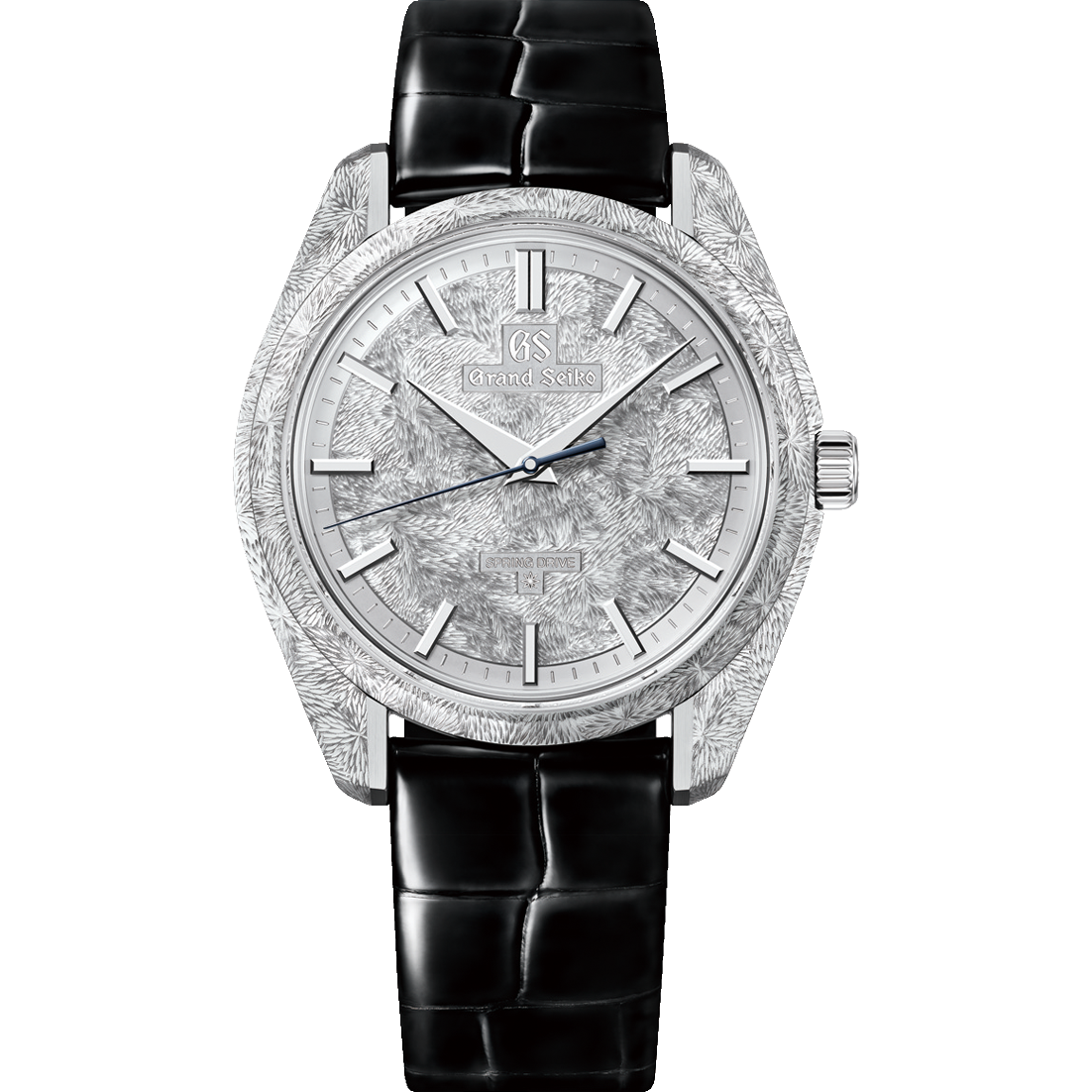
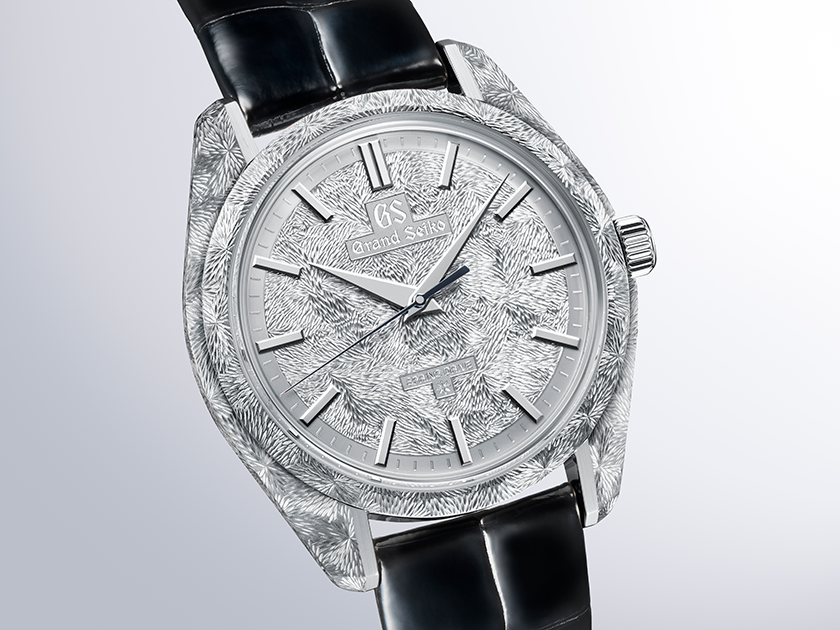
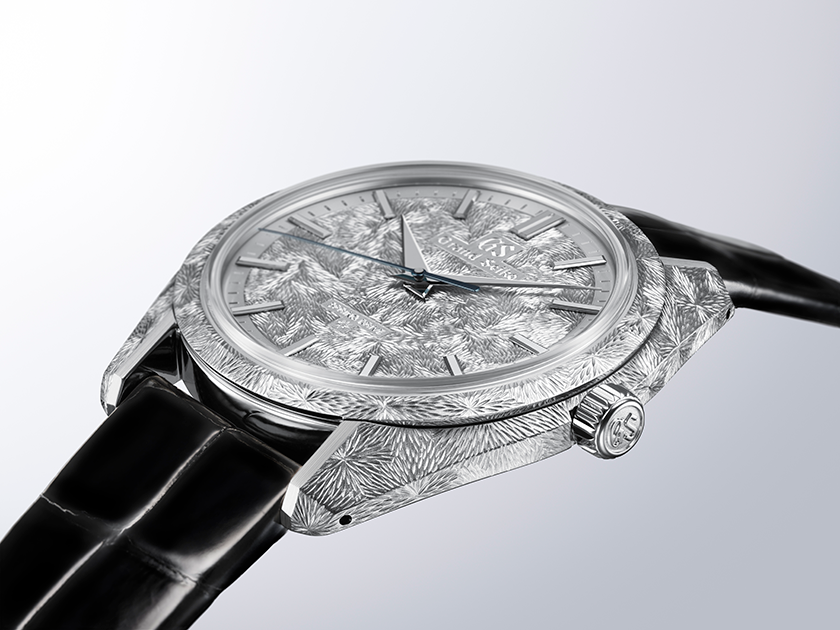
The SBGZ011 makes that concentration of skill visible. Its platinum case and dial are engraved by hand with lines inspired by the Tateshina waterfall. The minute and seconds hands are individually curved toward the dial, while the markings are carved directly into its surface. The hand-wound 9R02 movement uses two mainsprings within one barrel and a Torque Return System to deliver approximately 84 hours of reserve.
Crucially, the studio benefits from capabilities around it. Seiko can support material development, testing and integrated dial production that would be difficult for a one-person workshop to reproduce. The corporate structure does not automatically create artistry, but it can give a focused team the tools, time and continuity to pursue it.
La Fabrique du Temps Louis Vuitton illustrates another model. Founded by watchmakers Michel Navas and Enrico Barbasini before joining Louis Vuitton, the Meyrin manufacture now brings together movement, case and dial expertise for Louis Vuitton, Gérald Genta and Daniel Roth. Dedicated teams work across complications, guilloché, enamelling, engraving, miniature painting and gem setting.
This arrangement complicates the familiar opposition between corporation and craft. The 2026 Louis Vuitton Monterey, for example, uses an automatic movement developed by La Fabrique du Temps inside a glossy ceramic design that revisits Gae Aulenti’s unconventional 1988 LV II. It emerges from a large luxury house, yet depends on a concentrated watchmaking culture with its own designers, engineers and artisans.

The traffic also runs in the other direction. Independent makers often rely on specialist dial makers, case suppliers and movement workshops. Some establish supplier businesses of their own so expensive machinery and rare expertise can be sustained by work for outside clients. The ecosystem has always been more interconnected than a simple list of corporate parents suggests.
What remains distinctive about the strongest independents is usually authorship. A collector can follow an individual’s mechanical ideas, visual preferences and development over time, sometimes even participating through commissions. Large workshops can match or exceed their execution, but the relationship between one maker’s convictions and the final watch is harder to reproduce inside an organisation.
For collectors, the useful questions are practical. Who designed the movement and display? Which components are made or finished in the named workshop? How many specialists touch each watch? Can the brand identify the people and processes involved? How will those skills and spare parts be preserved? Clear answers reveal more than the word independent on its own.
Fine watchmaking is best understood as a map of people, workshops and dependencies. The ownership chart matters, especially when it affects creative control, but it is only one layer. Micro Artist Studio and La Fabrique du Temps demonstrate that artisanal watchmaking can survive inside industrial structures when a small team receives the mandate, resources and time to do exceptional work.
Explore the watches
Share this article


