
Culture · 2026-10-06
The private collector: sharing enthusiasm without sharing everything
Online communities make watch collecting richer, but a public collection can expose more than its owner intends. A healthier culture separates useful conversation from unnecessary personal detail.
By Chronolume digest · Original English summary · Based on Fratello On Air discussion by Michael Stockton and Balazs Ferenczi; Chronolume original analysis

Save this watch to revisit later.
What to know
Watch collecting thrives on visibility. A wrist photograph starts a conversation, a movement shot teaches someone what to look for, and a forum post can connect owners of an obscure reference across continents. The same openness can also reveal a collection’s value, an owner’s routines and the places where particular watches are kept.
This tension is cultural before it is technical. Enthusiast communities often reward immediacy: the new arrival photographed at home, the airport wrist shot posted while travelling, the complete collection arranged in one frame. None of those acts is inherently reckless. Together, however, small fragments can describe more than the person sharing them intended.
A recent Fratello discussion asked whether collectors still feel comfortable talking about watches online. Its hosts described a move away from chasing public follower counts toward smaller audiences, private accounts and more selective participation. They also acknowledged that they are enthusiasts rather than security specialists. That distinction matters: personal experience can identify a concern without proving exactly how a platform stores or uses information.
The most useful principle is context control. A photograph of one watch tells viewers about a watch. The same photograph can also contain a home interior, a workplace badge, a reflection, a location tag or paperwork with a serial number. Before posting, collectors can decide which layer of the image actually serves the conversation and remove the rest.
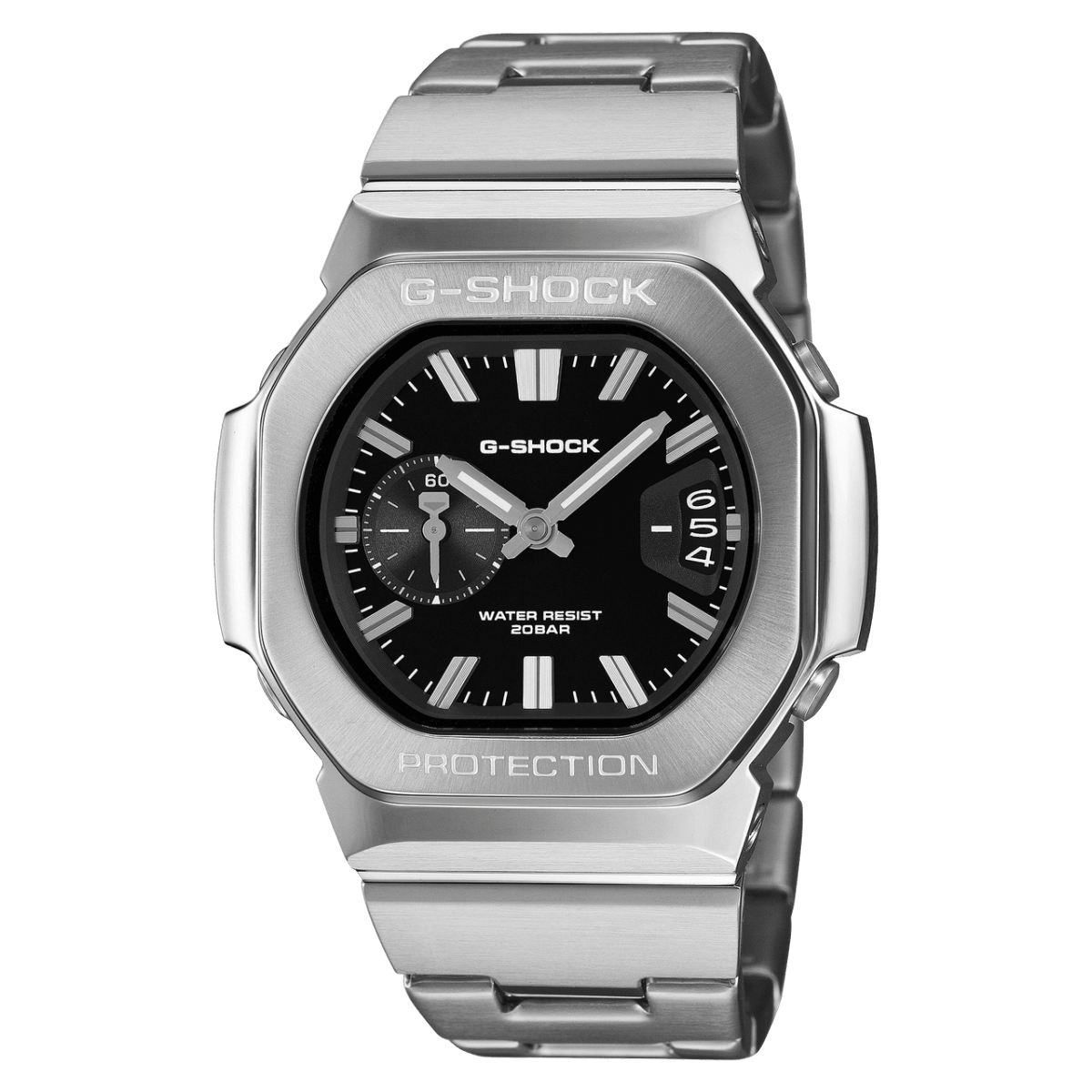
Timing matters as much as content. Posting from a recognisable hotel, airport or event can announce that someone is away from home and carrying a valuable object. Sharing after the journey preserves the story while reducing the amount of real-time information available. Similarly, discussing a rare watch does not require publishing the schedule on which it is usually worn.
Private groups help narrow the audience, but they do not turn a photograph into confidential information. Members can take screenshots, accounts can be compromised and group boundaries can change. Privacy settings remain useful; they work best when combined with the assumption that anything shared might eventually travel further.
Documentation deserves a separate boundary. Receipts, insurance valuations, warranty cards, full serial numbers, service records and photographs of an entire collection are useful for ownership and recovery. They do not need to live in the same public feed as wrist shots. A private inventory, maintained securely and backed up appropriately, can support insurance and servicing without becoming part of a collector’s online persona.
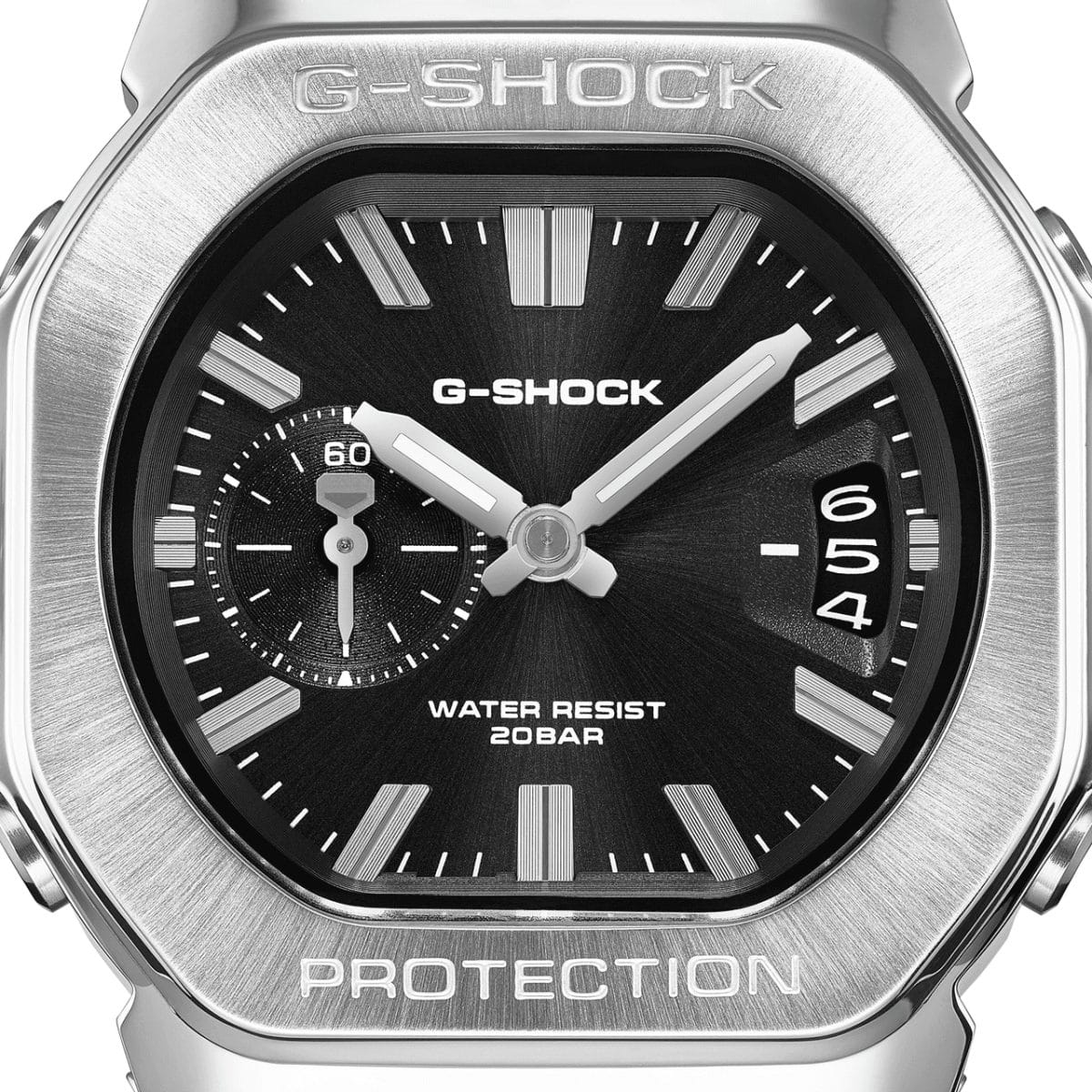
Selective sharing does not mean removing personality from the hobby. A close crop can still show finishing, wear and proportion. A collector can discuss why a reference matters without disclosing its storage location or purchase documentation. Communities become more valuable when knowledge carries status more effectively than conspicuous exposure.
Platforms and AI tools add another reason to read current privacy controls rather than rely on assumptions. Policies and features change, and a conversational interface can make a service feel more private than it is. Collectors should decide deliberately which information belongs in any cloud service, particularly when it combines identity, ownership records and valuation.
The goal is not suspicion. Watch culture depends on trust, meetings, trades and generous exchanges of expertise. Sensible boundaries protect that openness by reducing the chance that participation begins to feel unsafe. A community in which people can share selectively is more durable than one that treats total visibility as proof of enthusiasm.
A collection does not become less meaningful when part of it remains unseen. Some watches can be public conversation pieces; others can stay private memories; detailed records can serve their practical purpose elsewhere. The mature collector chooses what each layer is for instead of letting one social feed become the archive of an entire life.
Explore the watches
Share this article


