Culture · 2026-10-25
The In-House Movement Myth: What Are Collectors Really Paying For?
A proprietary calibre can be an extraordinary feat—or just an appealing label. NOMOS’s worldtimer and Formex’s Sellita-powered diver reveal why architecture, accuracy, servicing and design matter more than the slogan.
By Chronolume digest · Original English summary · Based on Chronolume editorial; NOMOS Glashütte; Formex; Farer

Save this watch to revisit later.
What to know
Two words can transform the conversation around a watch: *in-house*. On a specification sheet they suggest independence, ambition and technical authenticity. In a collector’s imagination they may imply that engineers, machinists, watchmakers and designers all work under the same roof. The phrase can be meaningful, but it is also an unusually convenient marketing shortcut. The real question is not whether a movement has an impressive family tree. It is what making—or not making—that movement independently actually adds to the watch on your wrist.
Watchmaking was never simply a story of isolated geniuses producing every screw themselves. Swiss production developed around networks of specialist suppliers: one business might focus on movement blanks, another on dials, cases, escapements or finishing. A brand could build a strong identity while relying on other companies for vital components. That does not make the finished watch dishonest. It makes it the product of an industrial culture in which specialist knowledge, coordination and quality control matter as much as vertical integration.
Today the definitions are slippery. Does *in-house* mean a movement designed by the brand, manufactured by a group-owned company, substantially produced in its own workshop, or exclusively reserved for its watches? What happens when a proprietary module is fitted to a supplied base calibre? The answers vary, and the label alone rarely tells a buyer enough. A more useful description names the architecture, the source of the underlying movement, the parts made or modified and the features the brand actually developed. Specificity is not less romantic. It gives the romance something real to stand on.
Sometimes proprietary engineering genuinely changes the object. The NOMOS Club Sport neomatik Worldtimer is a persuasive example. Its automatic DUW 3202 integrates the worldtime system rather than merely placing a tall complication on top of a generic calibre. NOMOS quotes a movement height of approximately 4.75 millimetres, with an adjustable city disk, a second-time display and its own swing system. This is the kind of in-house development that a wearer can feel indirectly: the worldtime feature is integrated into a relatively slim, usable everyday watch.
The attractive part of the NOMOS story is not the claim of exclusivity by itself. It is the chain of cause and effect. The maker wanted a particular complication, operating experience and set of proportions. Designing the calibre around those goals gave it room to make decisions that a ready-made movement might constrain. The display back then gives the owner something to examine: the winding rotor, the movement architecture and the finishing. Here the movement earns its place at the centre of the story because it explains why the watch looks and works the way it does.
Now put that next to the Formex Reef 39.5 Forged Carbon. Its automatic movement is a Sellita SW300-1, specified by Formex in a COSC-certified grade with a 56-hour power reserve. The watch adds a 300-metre water-resistance rating, interchangeable bezel construction and a forged-carbon aesthetic. It would be a strange way to judge this diver to call it less interesting merely because Formex chose a respected external calibre. The watch’s distinctive decisions happen elsewhere, and the supplied movement gives the design a clearly defined technical foundation.
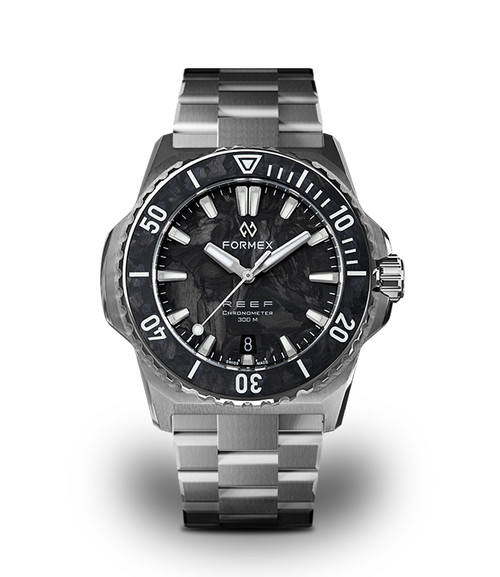
That comparison exposes the weakness of simple movement rankings. NOMOS uses ownership of a specialised calibre to realise a specific complication and thinness. Formex makes a different trade-off: a familiar automatic platform enables it to put effort into the case, bezel, materials, adjustment, certification and price. Neither approach absolves a brand from demonstrating reliability. An innovative proprietary movement can have weaknesses; a widely used calibre can be regulated and cased badly. The watch is a system, not a logo printed on its rotor.
Servicing is where the romance meets future reality. A broadly used movement may be familiar to more independent watchmakers, with an established ecosystem of technical knowledge. But that is not a universal guarantee: parts access, regional service options and manufacturer policies vary. A proprietary calibre may offer better-integrated engineering or exceptional finishing, while requiring specialised equipment, restricted components or brand-controlled repair channels. Collectors planning to keep a watch for twenty years should ask about service costs and long-term support before admiring how exclusive the movement sounds.
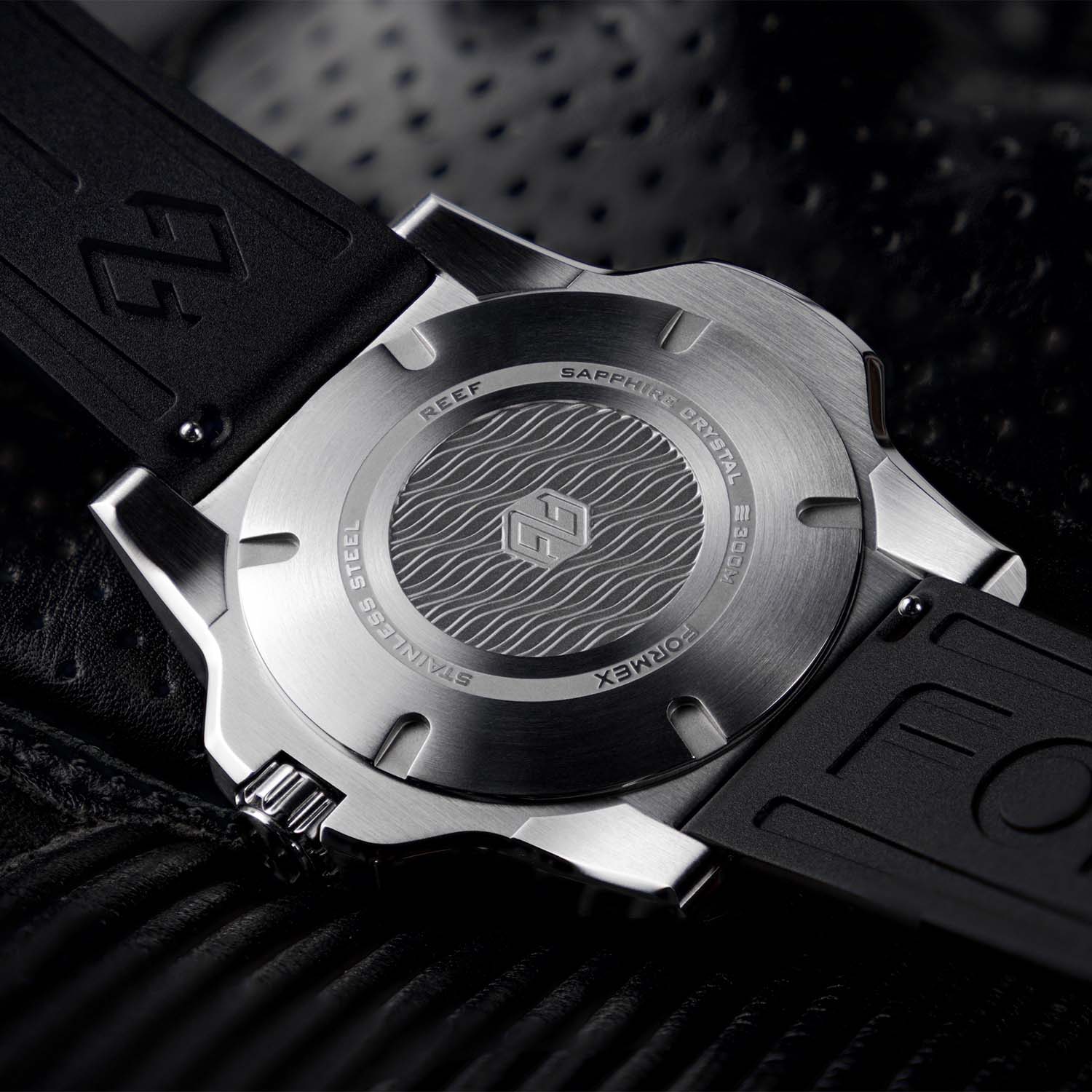
Finishing introduces another useful distinction. Industrial reliability, fine regulation and artisanal decoration are different types of excellence. A polished bevel, hand-finished bridge or painstakingly adjusted balance can justify admiration, but not all so-called manufacture movements receive elaborate finishing. Equally, some supplied calibres are extensively modified, regulated or decorated by the brands that use them. A movement should be evaluated for the work actually present, not for the organisational chart of the company that sold it.
This is especially important at accessible prices. A smaller watchmaker can commission an excellent case and dial, use a proven movement and create something with character that would be impossible at the same price if it first had to fund an entirely new calibre. Shared platforms can make interesting independent design viable. Conversely, a real proprietary movement at a fair price can be a remarkable achievement. Collectors lose out when a single prestige term hides these choices instead of helping them understand them.
Before paying extra for the magic words, ask four practical questions. What is genuinely proprietary? Which feature or advantage would disappear if the watch used a supplied movement? Who can service it, and for how long? And, perhaps most importantly, would you still want the watch if you could not see the movement name? These are not anti-manufacture questions. They are a way to distinguish meaningful engineering from a story that exists mainly to support a higher price.
The best watchmaking deserves curiosity rather than tribal loyalty. An integrated calibre can make an impossible design possible. An expertly chosen supplier movement can free a small brand to focus on the details that make its watch recognisable. Both can produce enduring objects; both can produce forgettable ones. *In-house* is useful information, but it is not a verdict. The interesting question is what the watchmaker chose to build, what it chose to buy, and whether those decisions make the finished watch more rewarding to own.
Explore the watches
Formex Reef 39.5 Forged Carbon ref. 2201.1.6399.100 · 2201.1.6399.100 ↗
NOMOS Glashütte Club Sport neomatik Worldtimer Ref. 792 · Club Sport neomatik Worldtimer Ref. 792 ↗
Share this article
Source & attribution
Chronolume editorial; NOMOS Glashütte; Formex; Farer · Published 2026-10-25 ↗