Design & Culture
Learning to read again: the pleasure of an unfamiliar watch
Klokers, Otsuka Lotec and CWC reveal two pleasures of collecting: the comfort of a familiar dial and the curiosity of learning another way to read time.
- Release date
- Unknown
- Source published
- Not verified
- Added to Chronolume
- 2026-11-08
- Article published
- 2026-11-08
- Research checked
- 2026-11-08
Chronolume · Source-based analysis · Research checked 2026-11-08
Save this watch to revisit later.
616-word cultural interpretation based on existing model articles, official display documentation and visual inspection of three brand photographs. No hands-on testing, measured reading speeds or claims of universal collector psychology. Klokers direct page timed out; indexed official page and official manual confirmed display.
The analysis
Most of us do not really read a familiar watch. We recognise it. The position of two hands gives us a shape, and that shape becomes an appointment, a train to catch or permission to order another coffee. The process is so well rehearsed that the dial almost disappears. An unfamiliar watch interrupts that small act of fluency. For a moment, even a seasoned collector has to become a beginner.
That interruption is the appeal explored here. It is not a claim that awkward watches are better, or that everyone should enjoy decoding a display. It is a different way to think about collecting: alongside materials, movements and ownership, there is the pleasure of learning how an object addresses you. A watch can change the experience of checking the time without changing the information you receive.
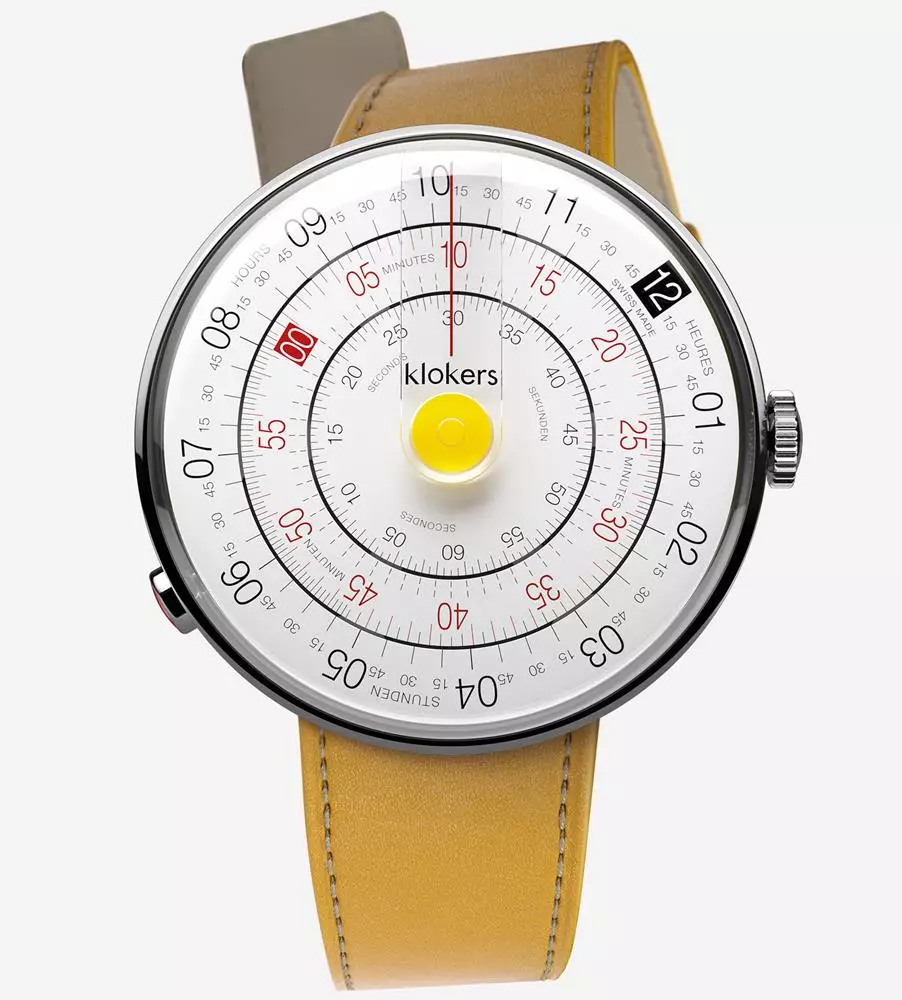
The Klokers KLOK-01 offers a particularly clear example. Three concentric discs carry hours, minutes and seconds towards a fixed reading line at twelve. Instead of following hands around a stationary scale, you look towards one place while the scales move. The yellow Heritage version’s dense typography resembles a measuring instrument. What initially looks busy has a rule: the apparent complexity becomes something you can learn.
That rule matters more than novelty alone. An unusual display needs an organising idea if it is to remain interesting after the first photograph. With the KLOK-01, the reading line gives the eye somewhere to return. Whether it becomes intuitive for a particular wearer would require time on the wrist; photographs cannot establish that. But they reveal the invitation: learn this little system, and its unfamiliarity may turn into familiarity.
The Otsuka Lotec No. 7.5 stages a different encounter. Hours jump in one window; minutes and seconds appear on discs in separate windows. Its raised, turret-like openings make the face feel assembled from small instruments rather than drawn as one flat clock. The fisheye hour lens gives one piece of information its own physical emphasis. Reading becomes a short journey between distinct places.
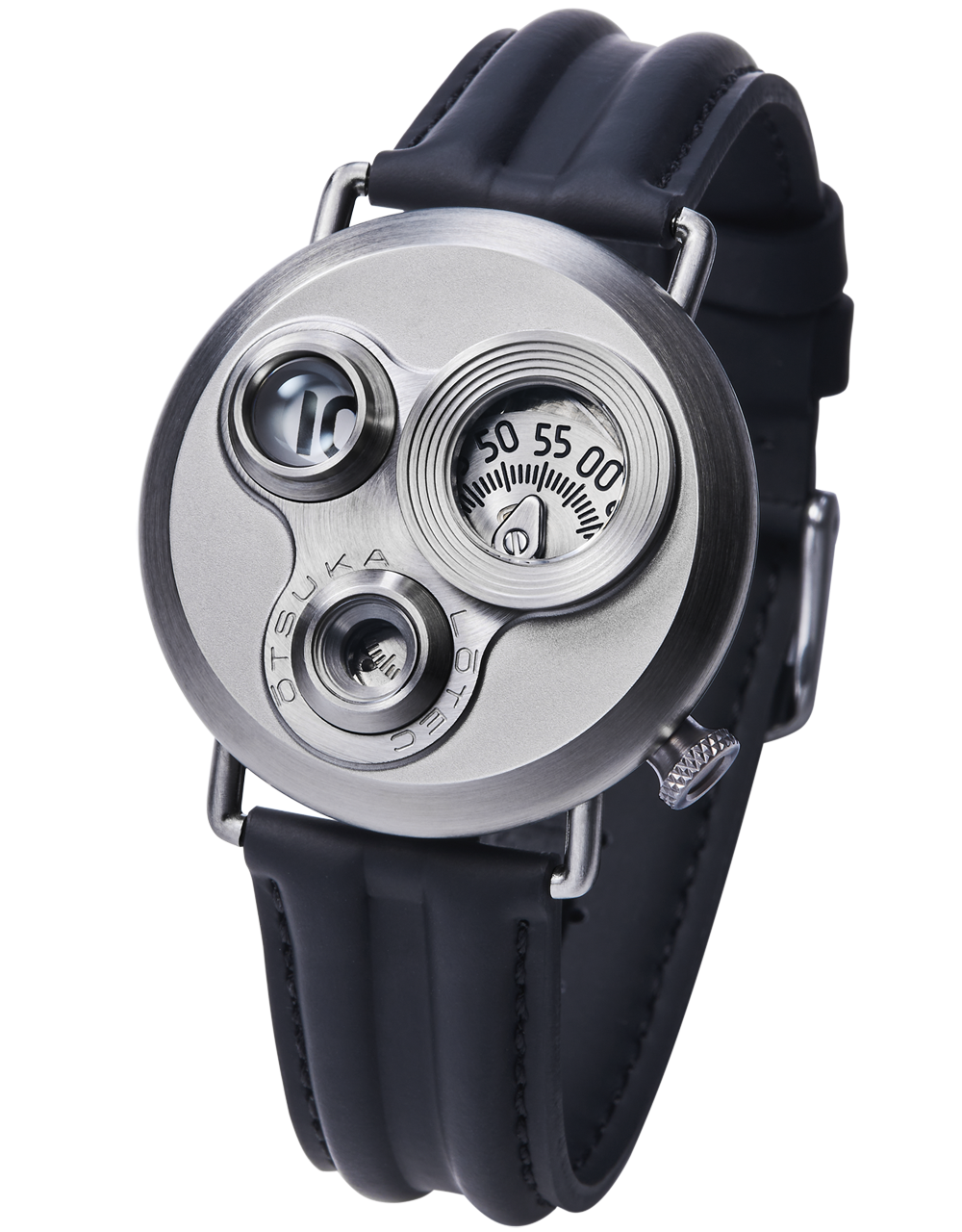
Here, the fascination is not simply mechanical intricacy. It is the decision to give familiar information an unfamiliar address. We already accept that a calendar, a clock and a stopwatch can arrange time differently. A watch like this brings that freedom onto the wrist. It asks why the conventional dial should be the only satisfying answer, while leaving the practical judgement—whether you enjoy using it—to you.
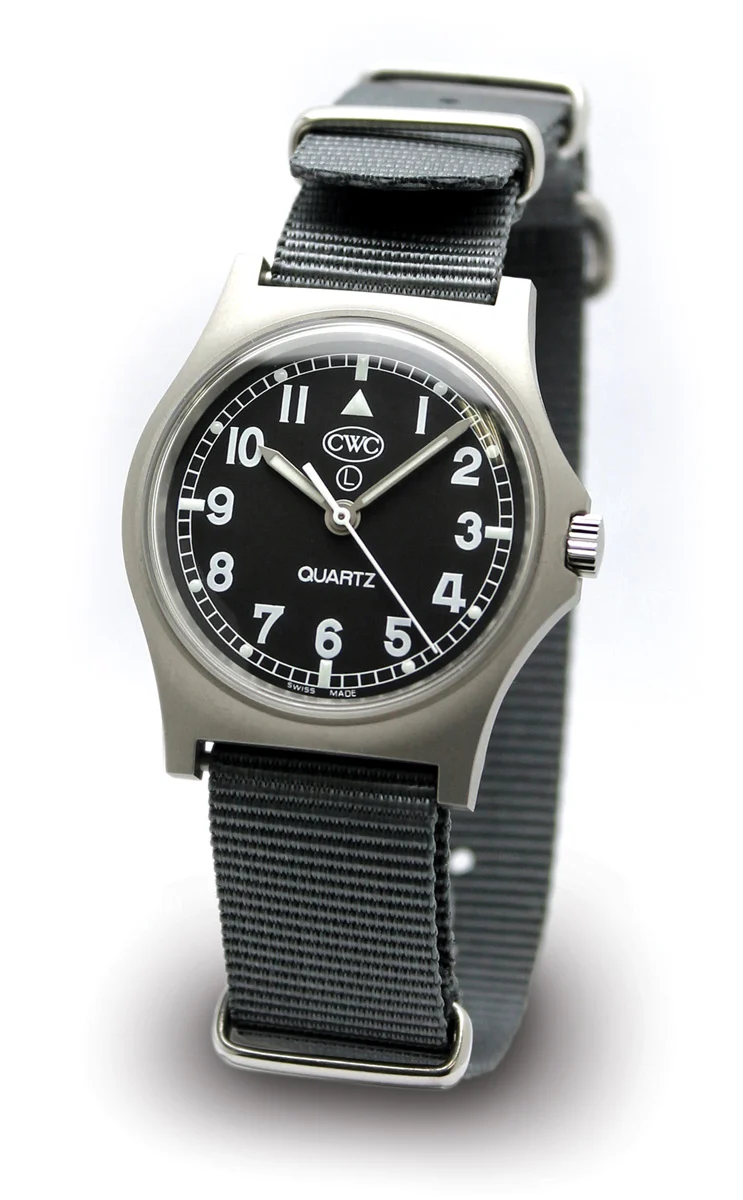
Place either beside the CWC G10, with its pale hands, large numerals and straightforward minute track, and the contrast becomes useful. The G10 rewards an established reading habit. Klokers and Otsuka ask you to develop another. A collection can accommodate both: one watch for disappearing into the day, another for making a small part of the day noticeable.
There is a less generous side to unfamiliarity, too. Knowing how to read an obscure display can become another way of drawing a line between insiders and everyone else. That seems a missed opportunity. The most enjoyable response to “How does that work?” is an explanation, not a test. A strange dial can start a conversation in which expertise is shared rather than displayed.
You do not have to buy an unconventional watch to enjoy this exercise. Follow the reading line in a photograph. Work out which window carries the hours. Then return to an ordinary dial and notice the fluency you usually take for granted. Sometimes the cultural value of an unusual watch is that it makes a familiar one visible again.
Research note: this is a cultural interpretation of documented displays and official photographs, with links to Chronolume’s model guides. It does not claim hands-on experience, measured reading speed or a universal account of collectors’ motives.
Share this article
Sources & research
Research checked 2026-11-08. Specifications are manufacturer figures; interpretation and calculations are identified in the text.
- https://chronolume.page/article/klokers-klok-01-collection-guide
- https://chronolume.page/article/otsuka-lotec-no-7-5-current-specification-2023
- https://chronolume.page/article/cwc-g10-mellor-72-sbs-diver-compared
- https://otsuka-lotec.com/models/276/
- https://www.klokers.com/uploads/KLOKERS_Klok-01_UserManual_EN_2020_2.pdf