Design & Culture
Under the case: how a military watch strap holds on
Five photographs of CWC watches show how fixed bars, a continuous strap and one extra layer of fabric shape the way a watch sits on the wrist.
- Release date
- Unknown
- Source published
- Not verified
- Added to Chronolume
- 2026-11-16
- Article published
- 2026-11-16
- Research checked
- 2026-11-16
Chronolume · Source-based analysis · Research checked 2026-11-16
Save this watch to revisit later.
Desk-based analysis of manufacturer specifications, fitting guidance and five exact-model photographs already hosted on Chronolume. No physical tests or independent strength measurements.
The analysis
Turn a CWC Mellor-72 over and the most revealing part of the watch is the empty space above and below the caseback. A steel bar bridges each pair of lugs, leaving a narrow slot for fabric to pass through. From the front, that fabric looks like any other military strap. From the back, you can see how it changes the whole assembly. The watch head sits on a piece of webbing that continues underneath it. Where a strap meets the case is usually a detail you stop noticing once the watch is on. Here, it determines how the watch goes together.
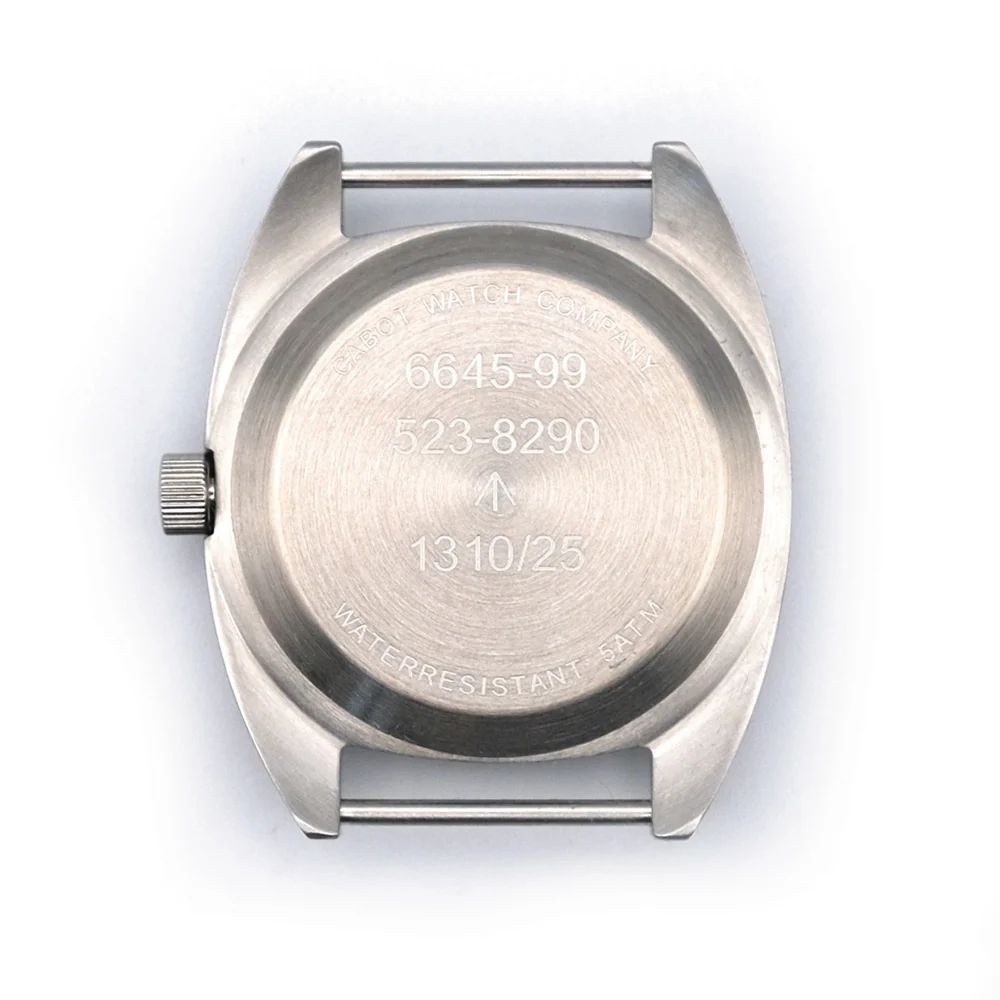
A conventional two-piece strap has a separate attachment at either end of the case. If one attachment gives way, the watch can fall away from the strap. A continuous pass-through puts both attachments on the same length of webbing. If one bar fails and the strap remains buckled and threaded through the other, the watch can stay attached by that remaining bar. Fixed bars and continuous webbing solve different parts of the problem. The bar removes the need for a spring-loaded fitting at the lug. The strap gives the watch a second route to stay on the wrist.
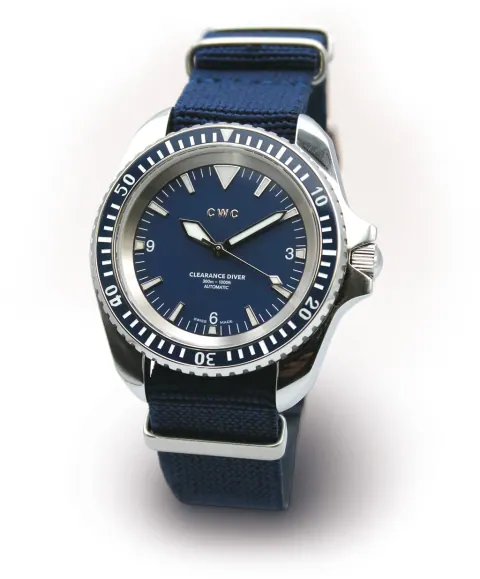
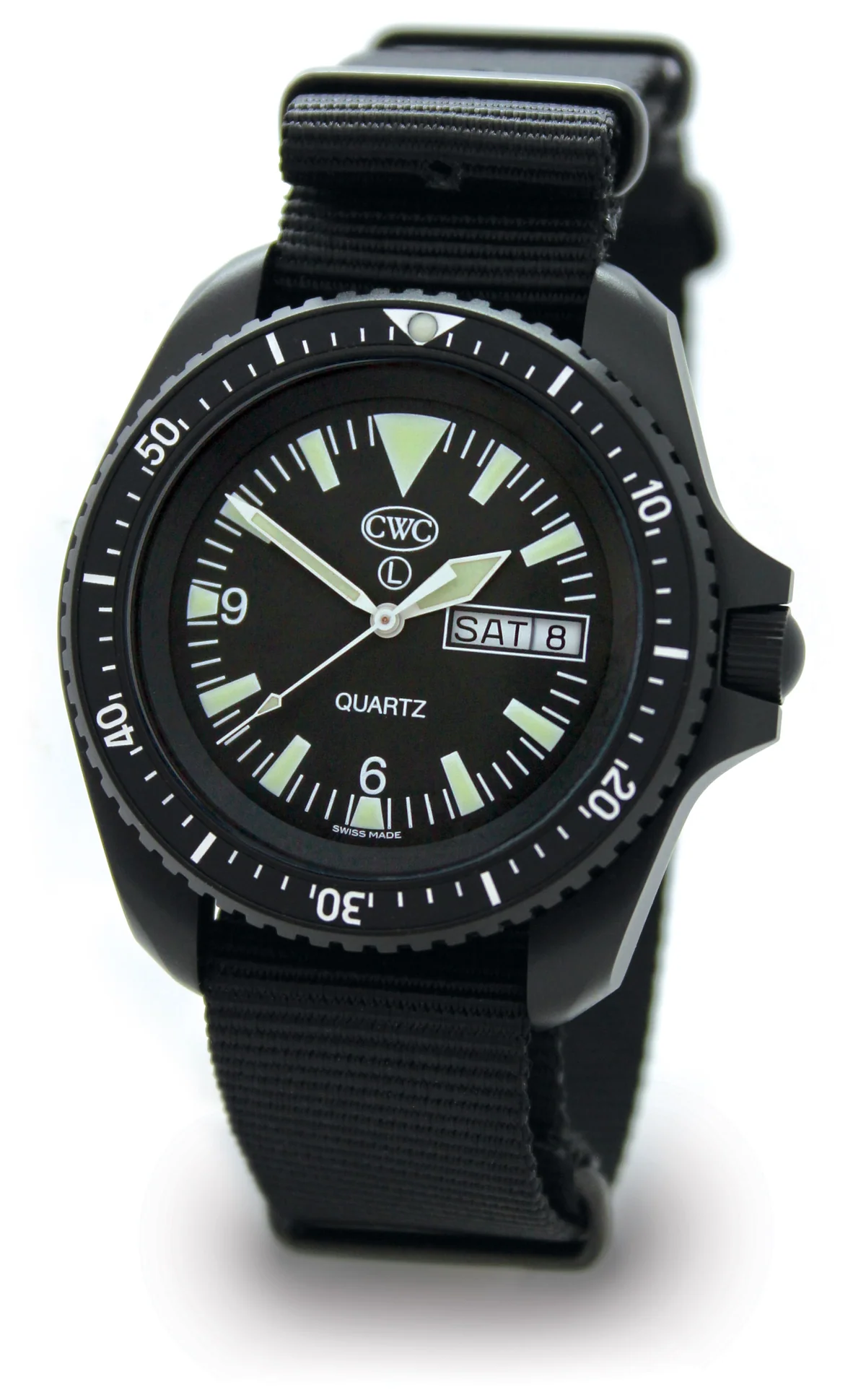
The CWC G10 makes the proportions of that joint easy to see. In profile, the lugs slope down towards the wrist, and the space available for the strap is shallow. CWC supplies the G10 with an 18 mm strap, while the Mellor-72 lists 18.5 mm fixed bars and the SBS Issue Diver takes a 20 mm strap. Width gets the strap between the lugs. Thickness decides whether it will actually feed through the slot. A stiff piece of leather can have the right nominal width and still be awkward to thread, especially at a thickened or stitched end.
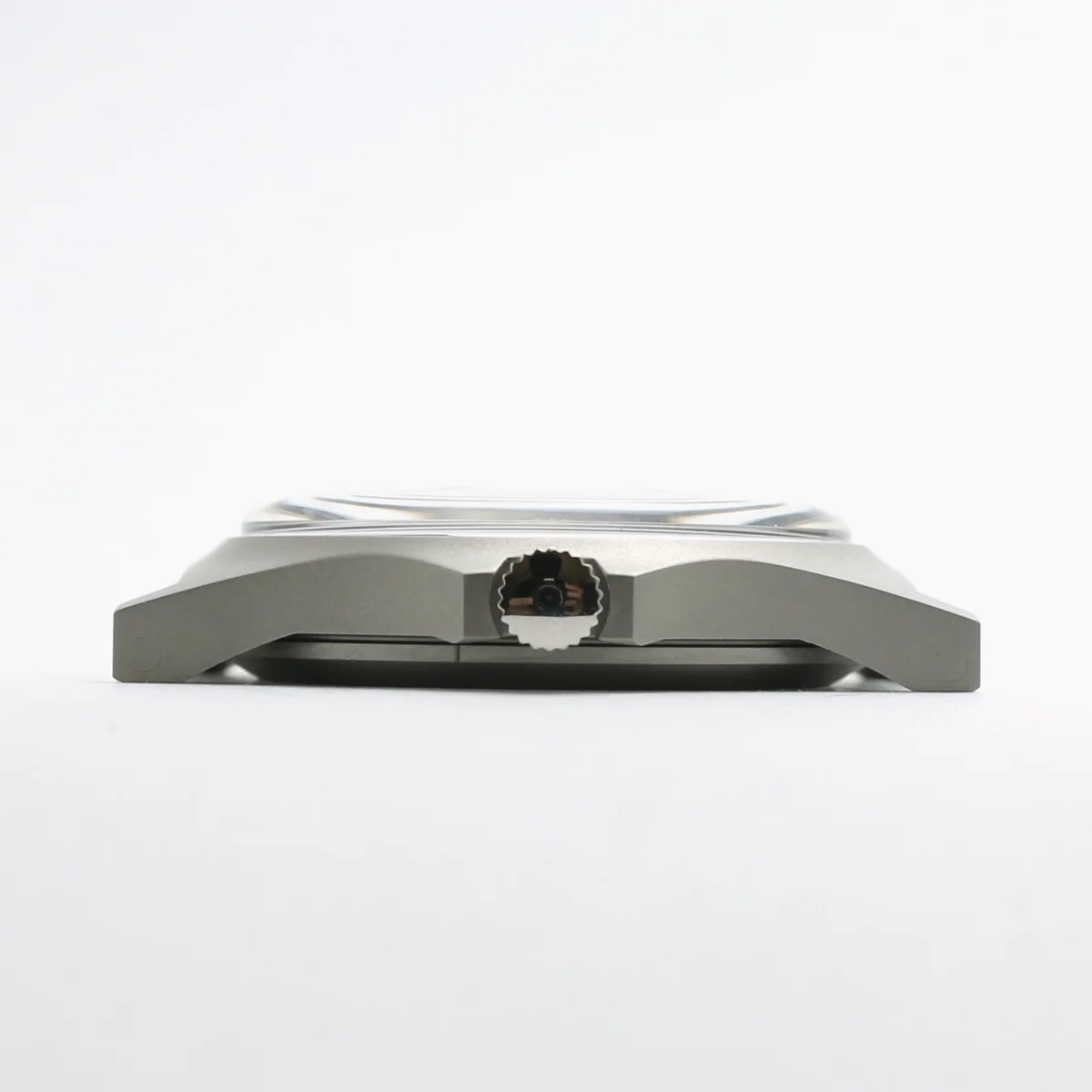
There is a second design choice underneath the watch. A traditional military strap has a short secondary section with a keeper. After the main strap has passed beneath the watch, it runs through that keeper, which helps locate the case along the strap. A single-pass strap dispenses with the shorter section and leaves one layer of fabric under the caseback. Both arrangements can retain the watch on one surviving bar. The extra layer mainly changes where the watch sits on the strap and how far it stands off the wrist. On a tall diver, that difference can matter more than the choice of buckle finish.
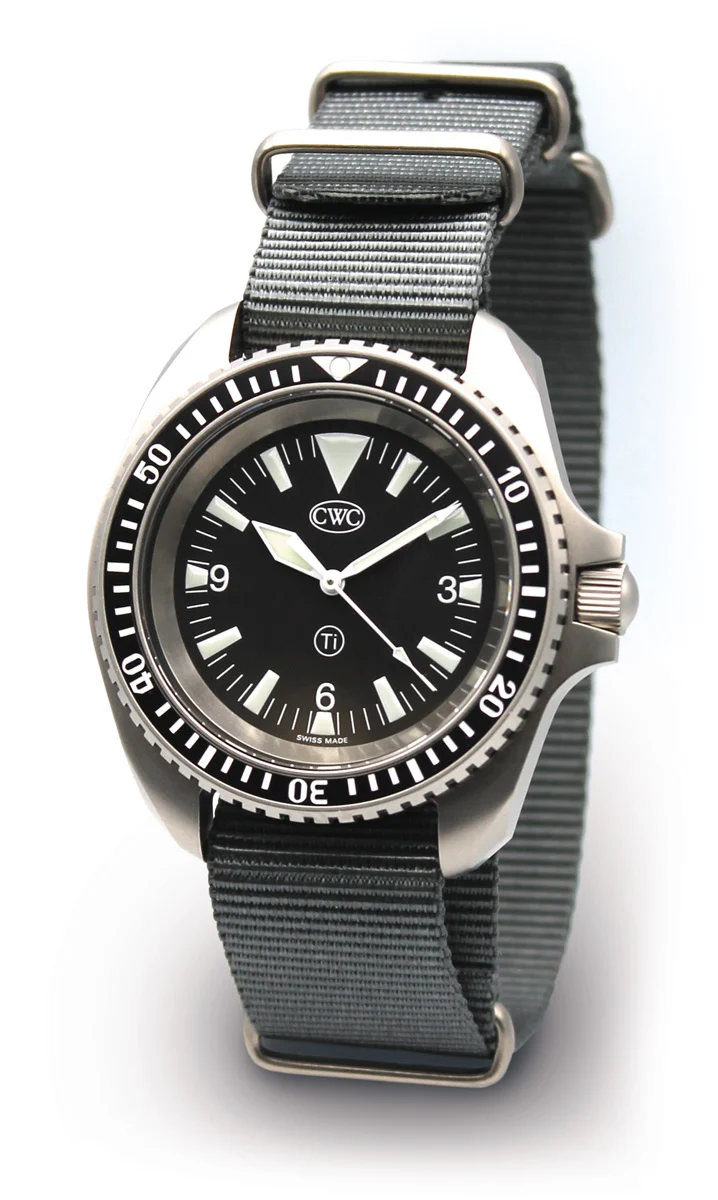
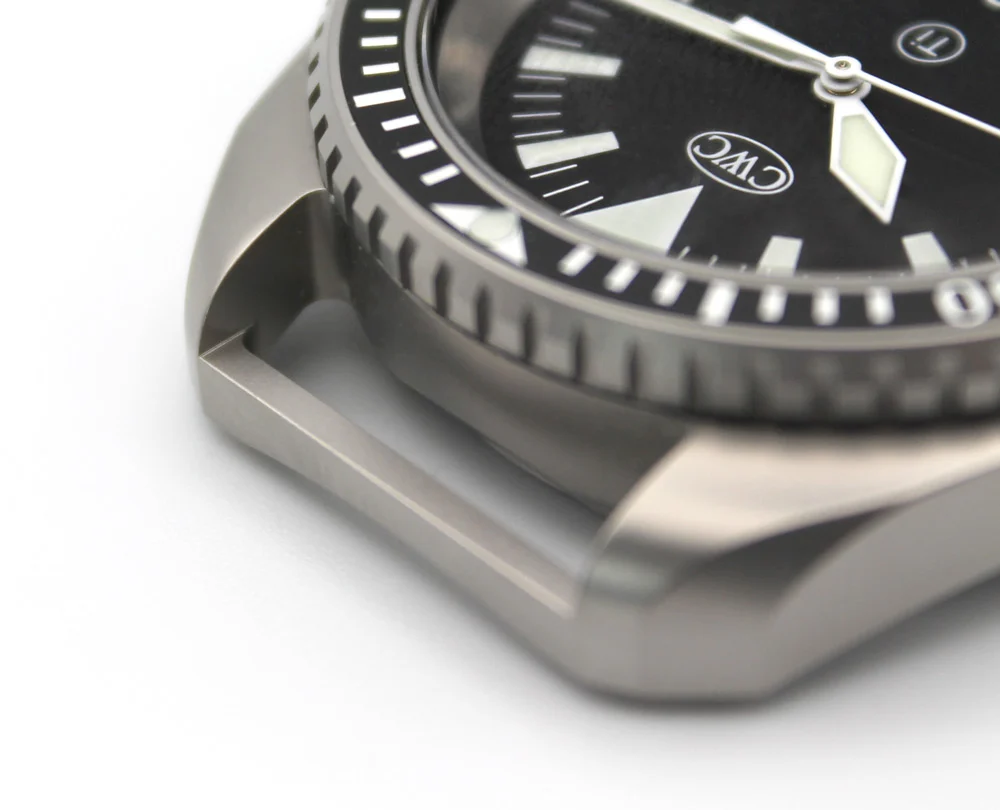
The Ti300 makes the hardware itself visible. CWC machines its bars as part of the Grade 5 titanium case, and the close-up shows how the bar flows into the sides of the lugs. Put that picture next to the assembled SBS Issue Diver and the same design reads differently. The Ti300 photograph shows the joint clearly, while the SBS photograph shows how thoroughly the strap hides it in use. Both watches ask you to choose a strap that can pass through the case. A conventional bracelet with fitted end links needs a different attachment.
If you are choosing a pass-through strap, start by looking at the watch in profile. Check how much room there is around the bar, where the buckle and keepers will land, and how much fabric you want under the case. A thin double-pass can make sense if you want the watch held in a predictable position. A single-pass is worth trying when the fabric is bulky or the watch already sits high. The two bars are easy to miss in a catalogue photograph. In daily wear, they decide which straps fit, how you change them, and how close the watch sits to your wrist.