Design & Culture
Why the minute hand runs the dive watch
The Tudor Pelagos Ultra and CWC Navy Eighty CD-1 show two ways to make elapsed minutes easy to find, from hand shape and scale to a shared colour after dark.
- Release date
- Unknown
- Source published
- Not verified
- Added to Chronolume
- 2026-11-15
- Article published
- 2026-11-15
- Research checked
- 2026-11-15
Chronolume · Source-based comparison · Research checked 2026-11-15
Save this watch to revisit later.
Desk comparison using manufacturer specifications and visually checked exact-model photographs. The 12-minute example illustrates bezel reading. Low-light endurance, usability in water and wrist comfort were not tested. All three photographs are distinct, already hosted on Chronolume, and verified to load before publication.
The analysis
Set a dive bezel at 10:17 and look again at 10:29. The useful answer is 12 minutes, found by reading the minute hand against the bezel. The hour hand still tells you where you are in the day. For the timing task, your eye needs to find two things quickly: the minute hand and the point on the bezel where the count began. The Tudor Pelagos Ultra and CWC Navy Eighty CD-1 show how designers can make that pair easier to pick out.
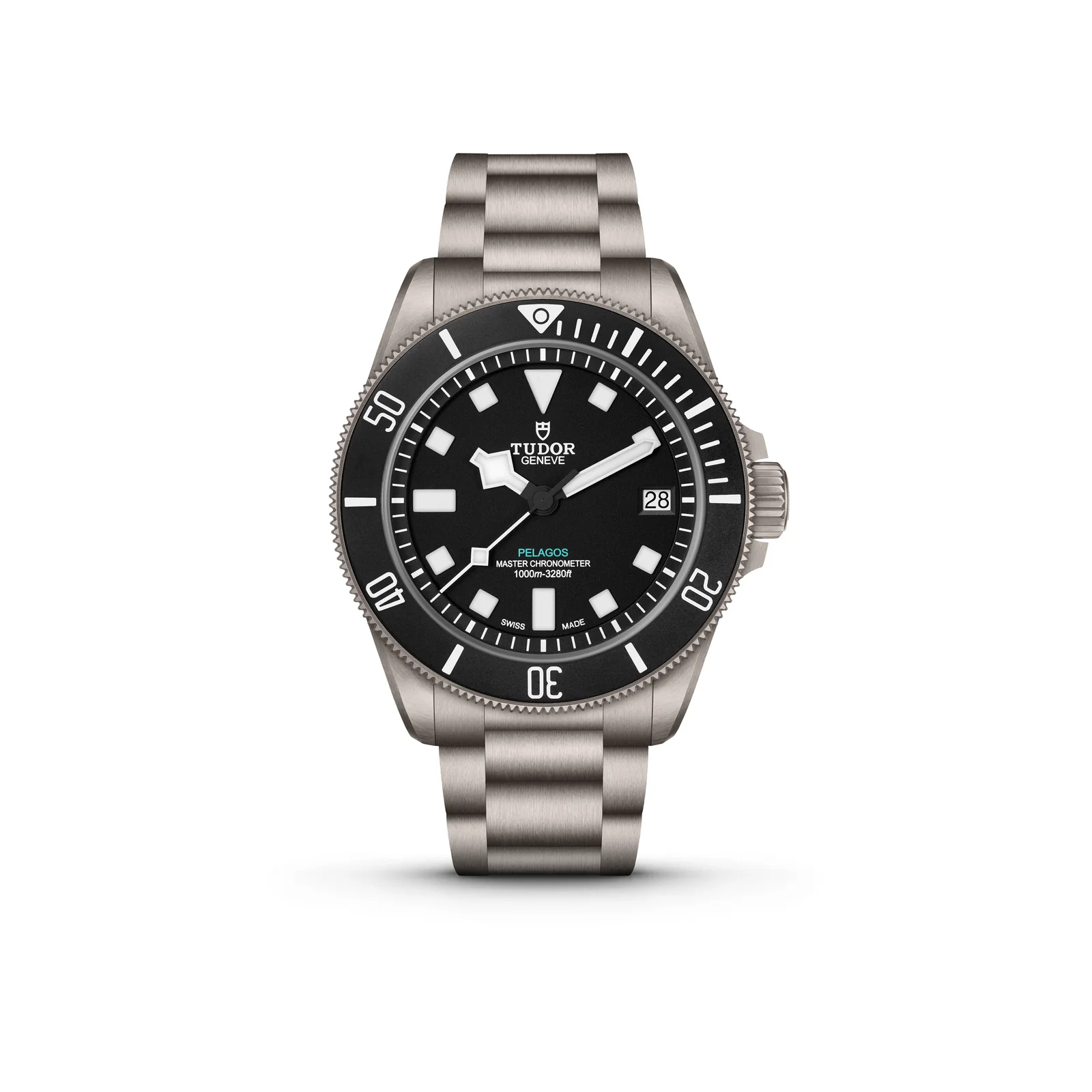
The rotating bezel gives the minute hand a second job. Align its zero marker with the hand when you start timing. The hand then moves past the graduations on the outer ring, which give you elapsed minutes. Because both watches use unidirectional bezels, an accidental turn in the permitted direction makes the indicated elapsed time longer on the current pass around the dial. The triangle is a movable starting point, even though most product photographs show it lined up at twelve.
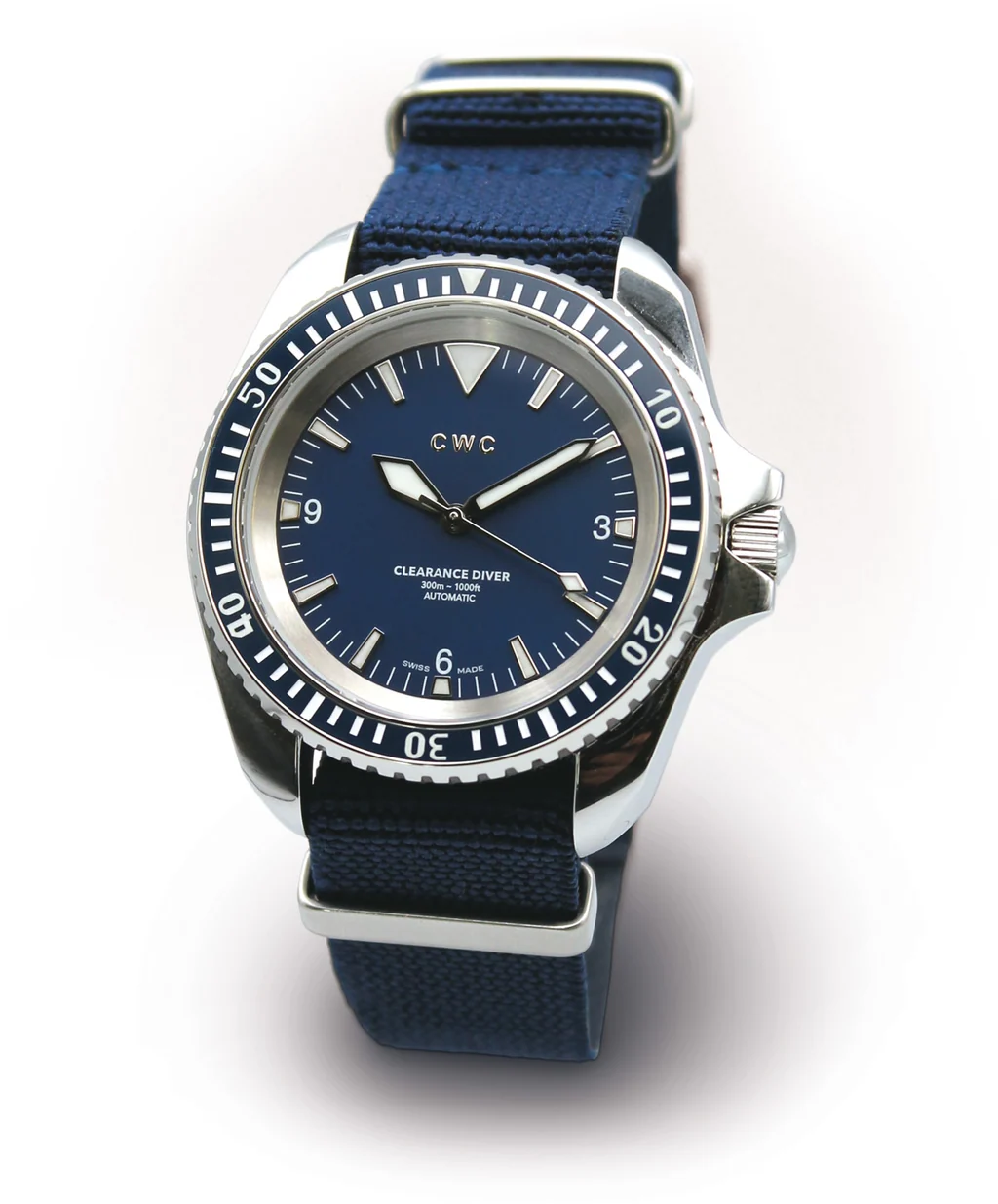
The CWC Navy Eighty CD-1 makes the relationship clear in daylight. On the blue BGW9 version with silver hands, the broad hour hand ends well inside the dial, while the slender minute hand reaches toward the perimeter. Short white marks repeat around the ceramic bezel at a pace that matches the minute hand. The hour hand has enough visual weight to find quickly when you want the time. The minute hand earns its priority for timing through reach and shape.
CWC offers the blue CD-1 with white or silver hands in the BGW9 configuration. Its product gallery lets you compare how the two finishes read against the same blue dial, and CWC describes BGW9 as white by day with a blue glow in darkness. That gives a buyer two separate details to look at: the edge of the hand against the dial in ordinary light and the luminous area that carries its shape after dark. The photographs show the first. How long the shapes remain distinguishable needs a controlled test.
The Tudor Pelagos Ultra gives the same timing pair a second cue. In daylight, the angular Snowflake hour hand and the long minute hand are easy to tell apart by silhouette. Tudor specifies green luminescence for both the minute hand and the bezel’s zero marker, with blue as the other colour in the luminous display. Once the watch is charged and the lights go down, those two green elements belong to the same task even when the zero marker has been rotated away from twelve.
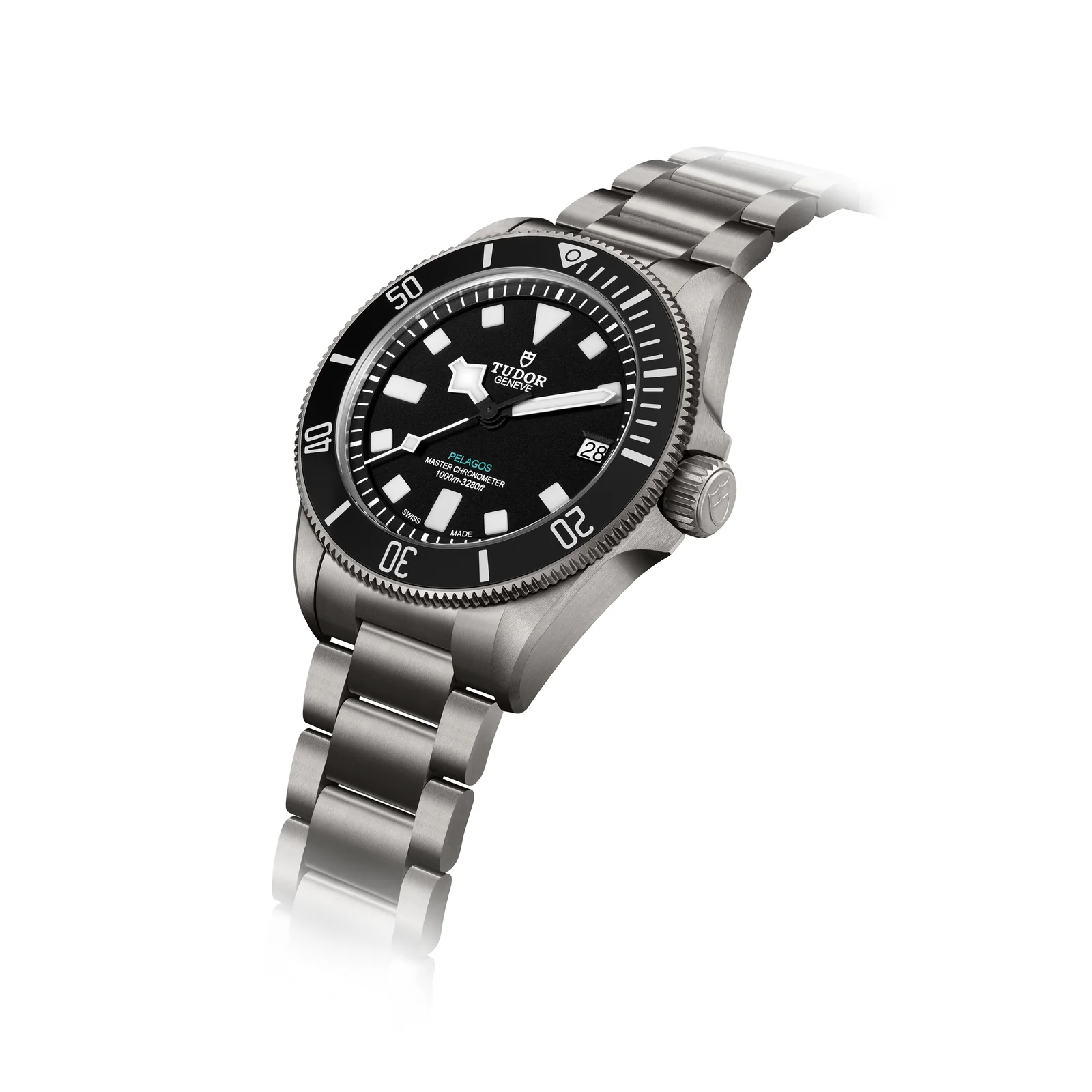
That shared colour does a particular job. It identifies the moving pointer and its starting point. You still need the scale to read an interval, and you still need the shape of the hands to distinguish them when the colours are hard to see. The front photographs show how much work the geometry already does. The Tudor’s hour hand has a strong outline, and the CWC’s minute hand points directly out toward an evenly marked ring. Each watch gives your eye a route from the centre of the dial to the bezel.
Try comparing the two photographs with the bezels in mind. Find the minute hand first, then imagine the zero triangle rotated to where that hand points. On a wrist, repeat the exercise when the watch is partly under a cuff or sitting at an angle. If you have to hunt for either element, that tells you more about how the design works for you than the size of the numerals or the amount of lume on the dial. The most revealing detail on a dive watch can be the short trip your eye makes from the tip of one hand to a mark on the bezel.