Design & Culture
What would you write on the card that goes with a watch?
Six watches suggest what a future owner might want to know, from a snowfall on buying day to the names inside a locket.
- Release date
- Unknown
- Source published
- Not verified
- Added to Chronolume
- 2026-11-29
- Article published
- 2026-11-29
- Research checked
- 2026-11-29
Chronolume · Source-based analysis · Research checked 2026-11-29
Save this watch to revisit later.
A comparative reading of six documented objects. Family scenarios are hypothetical and no owner interviews were conducted.
The analysis
Suppose you give a watch to someone who has never seen it before. You can leave the box, the papers and a link to the maker. You also get one small card on which to write something of your own. What earns the space? A reference number will help a future watchmaker. A date might mean more to the recipient. An explanation of why you bought the thing could turn out to be the only information nobody else can supply. Looking through six watches in the Chronolume archive makes this a surprisingly practical question.
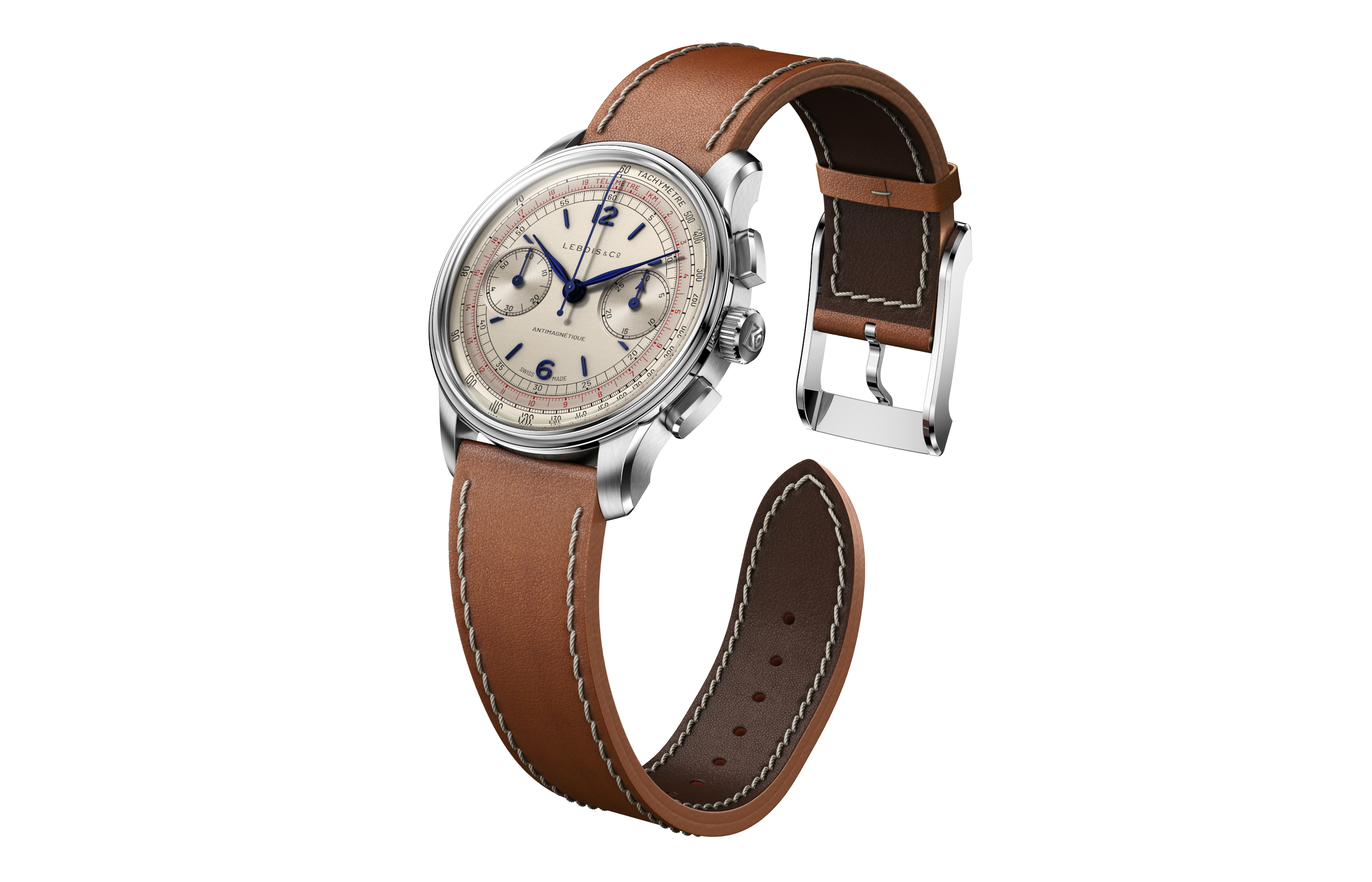
Start with the cream Lebois chronograph. Its maker says it bought the vintage watch that inspired this modern reference from a private collector. That is a fine detail to pass on, provided the distinction between the two objects survives the telling. The watch in the photograph is the contemporary interpretation. A descendant who hears only that the watch came from the company archive could reasonably imagine a very different chain of ownership. Keeping a copy of the maker’s account beside the receipt would preserve the distinction better than a grand inscription about heritage.
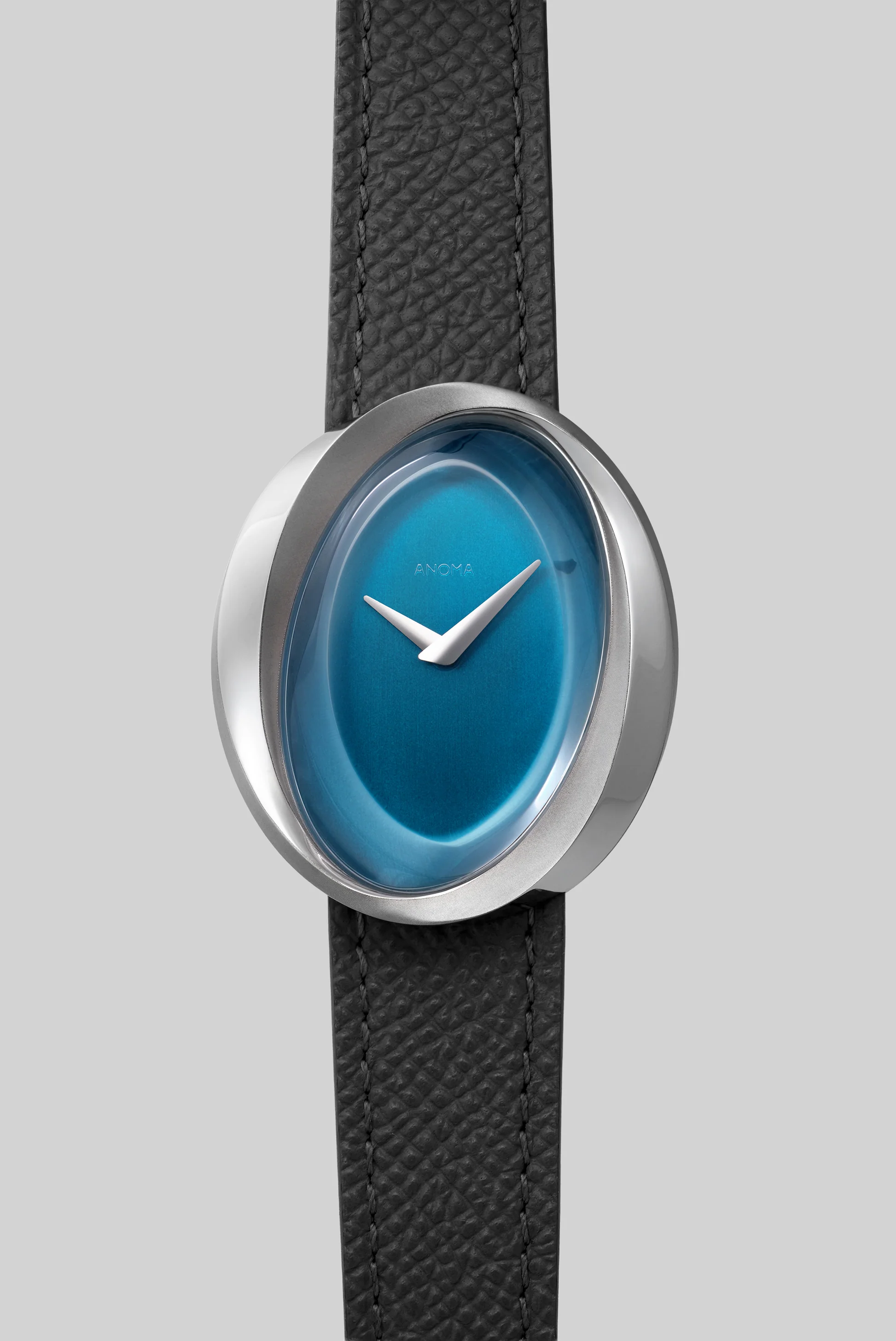
The Anoma A2 raises a smaller and rather lovely problem. The brand designed the two hands to suggest a bird when they come together at ten past ten. A conventional product photograph can preserve that arrangement indefinitely. A person going about an ordinary day might live with the watch for weeks without catching it. Here the most generous thing to write on the card may be a time and a small instruction to look closely. It gives the next owner a discovery to make with the object in hand.
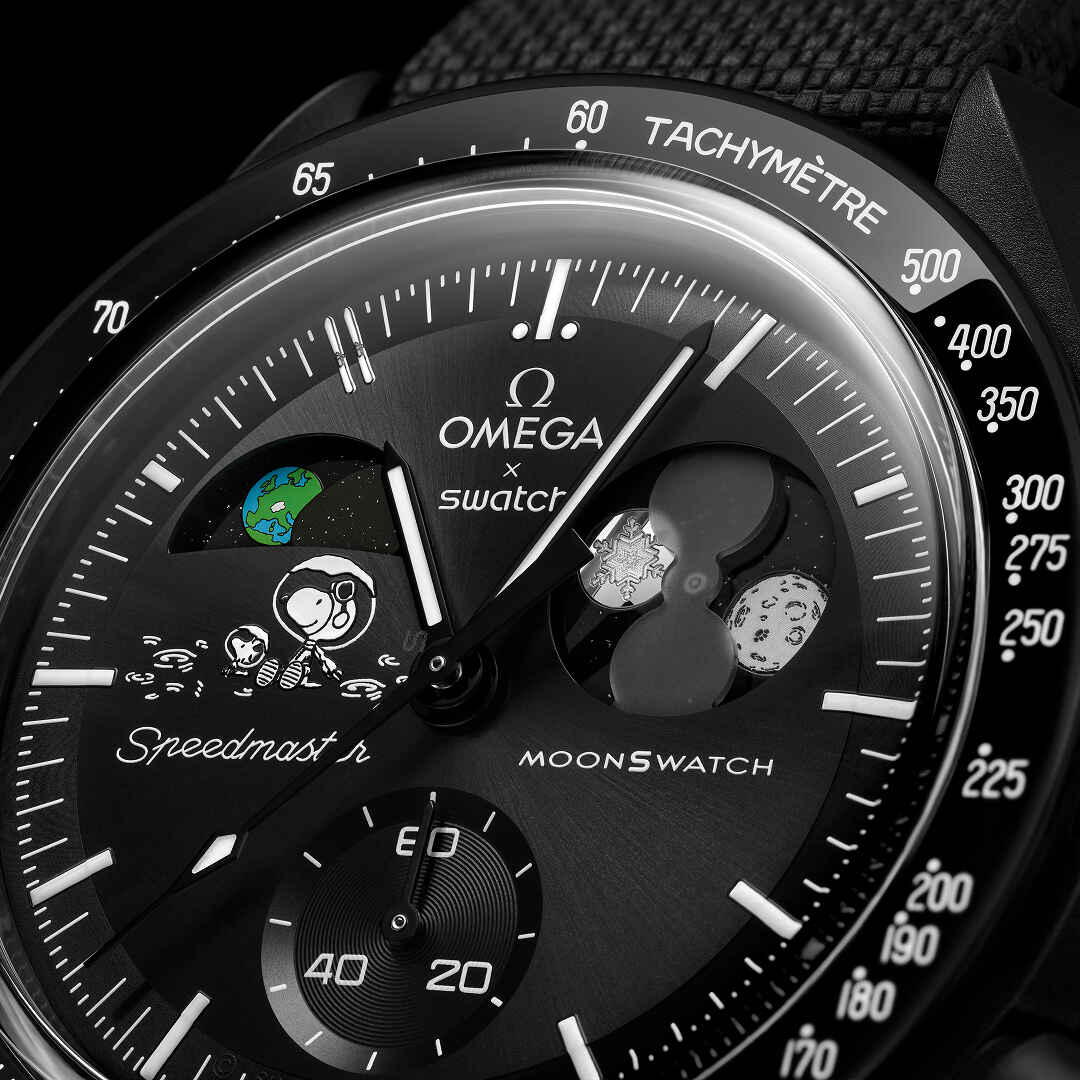
Consider what an owner of the Silver Snowflake MoonSwatch might want to record. Swatch tied sales after launch day to snowfall in Switzerland for the stated winter sales period. The maker’s announcement preserves the rule. It cannot say whether a particular buyer waited for the forecast, walked into a shop on opening day or received the watch months later as a present. Those routes lead to outwardly similar watches and quite different memories. Even a dated train ticket might someday explain more about one example than another clipping of the launch announcement.
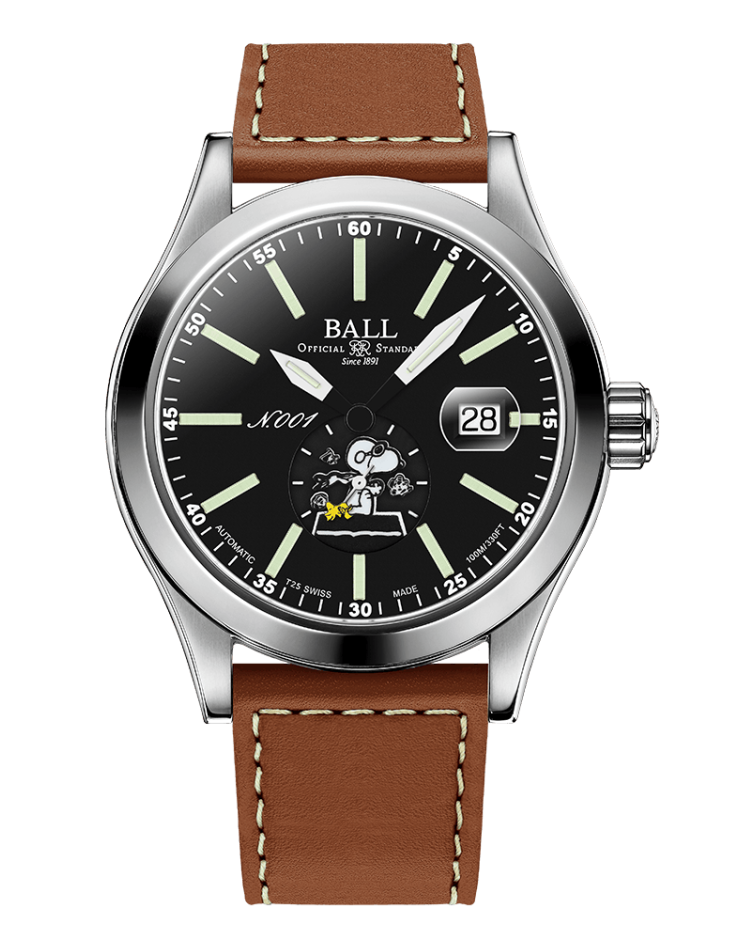
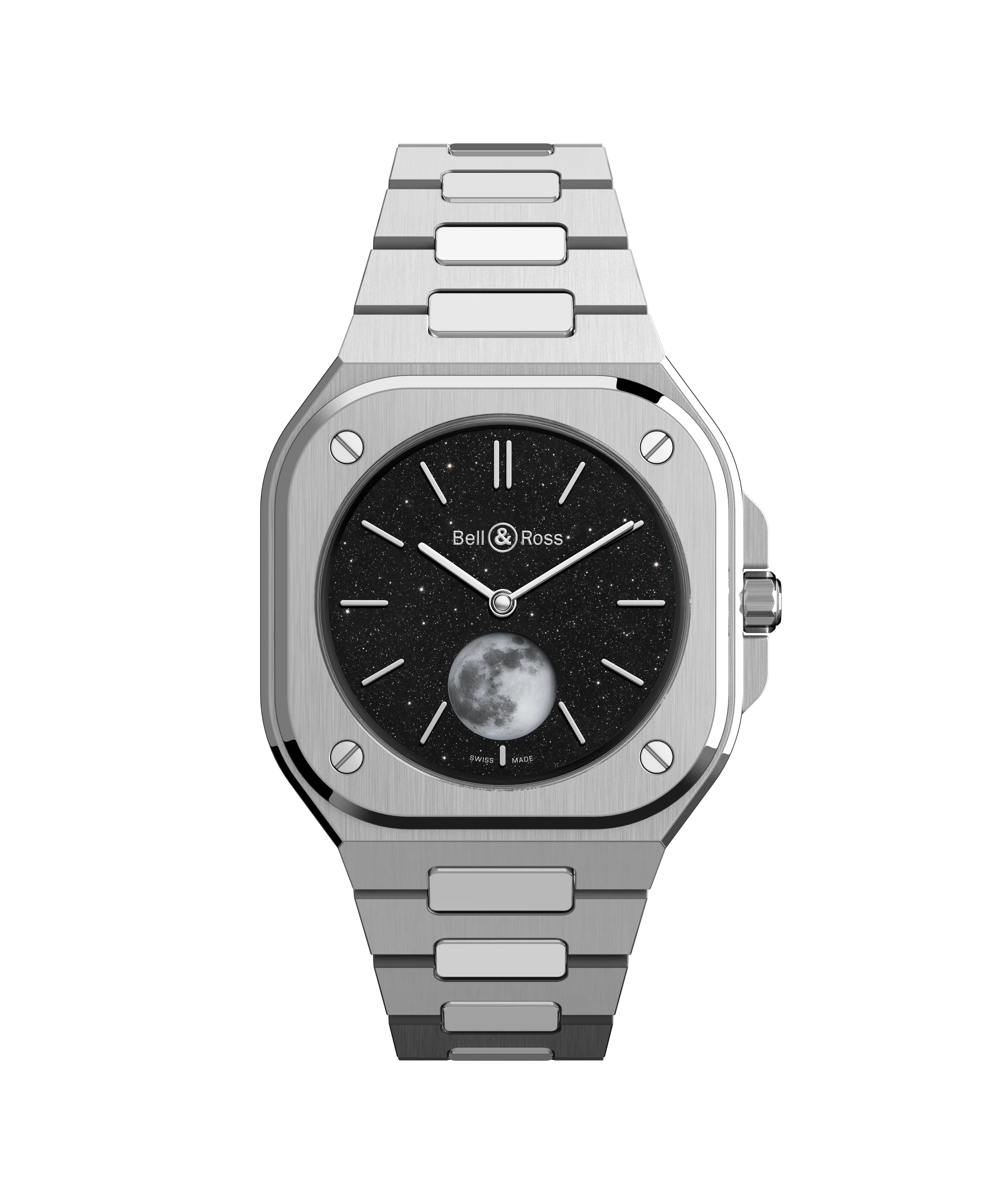
The Bell & Ross moonphase offers a quieter kind of continuity. A moon display can be set, left unwound and set again. Its indication at the moment of a handover is fleeting. An owner who remembers setting it with a child at the kitchen table could pass on the routine as well as the instructions. The next owner might prefer to keep it accurate or simply enjoy the image. Either choice leaves the original memory intact, so long as somebody took the trouble to put the particulars into words.
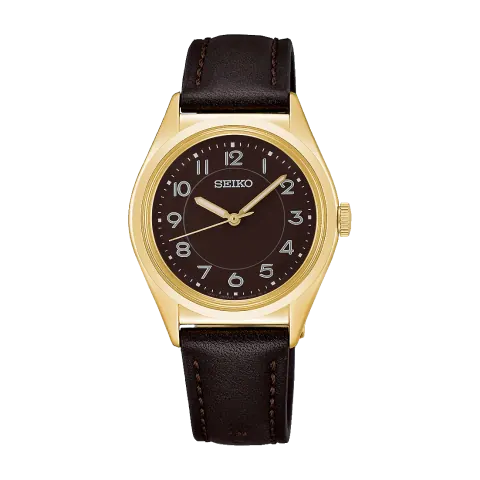
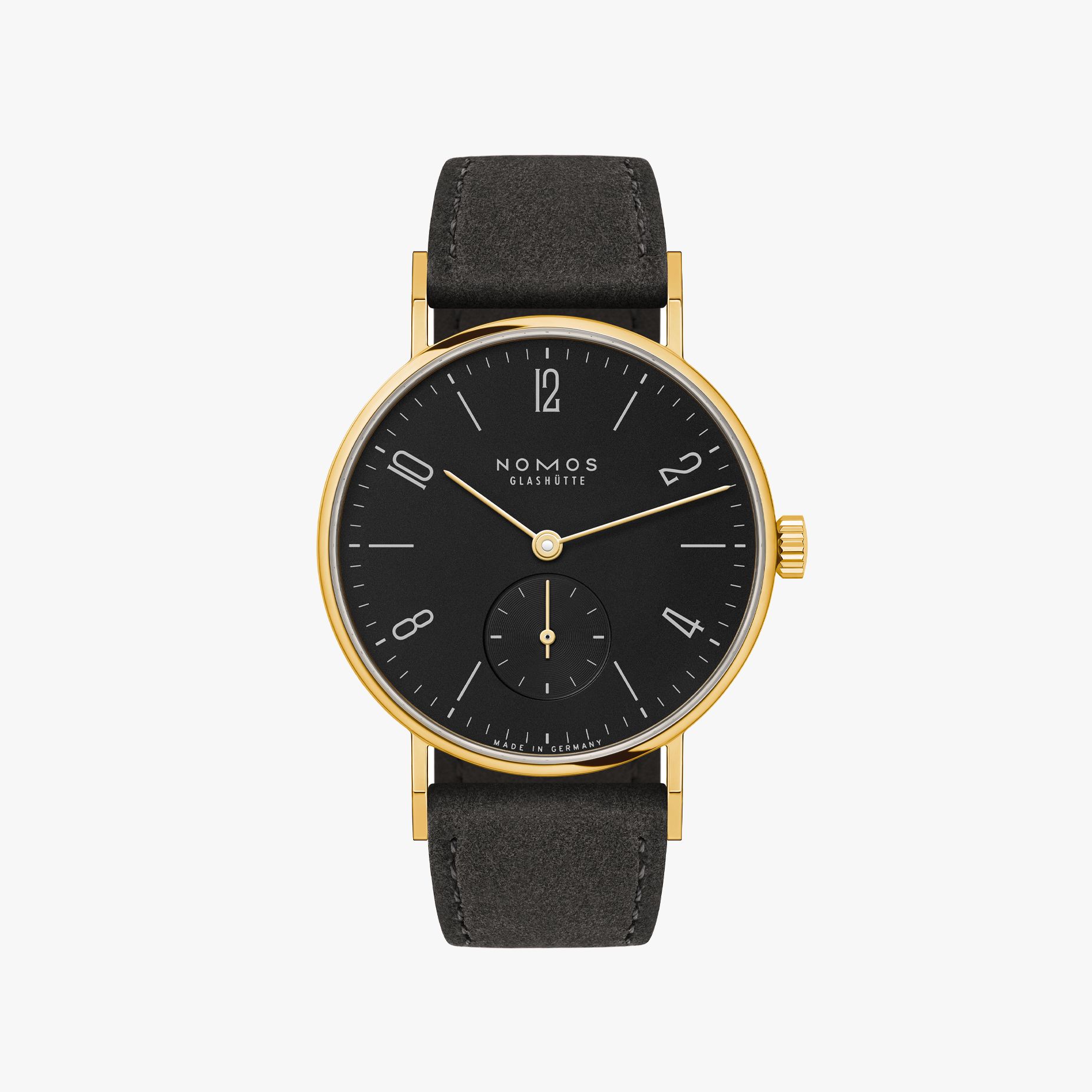
Then there is the small gold NOMOS Tangente. Gold invites an inventory of material and monetary value, and a receipt has its place. But the recipient who remembers a particular person wearing a slim black dial may care most about the proportions and the familiar contrast where the case met a cuff. A photograph of the owner actually wearing it, however casually framed, preserves information that an immaculate studio portrait cannot supply. That is one reason to keep an ordinary family photograph alongside the more formal paperwork.
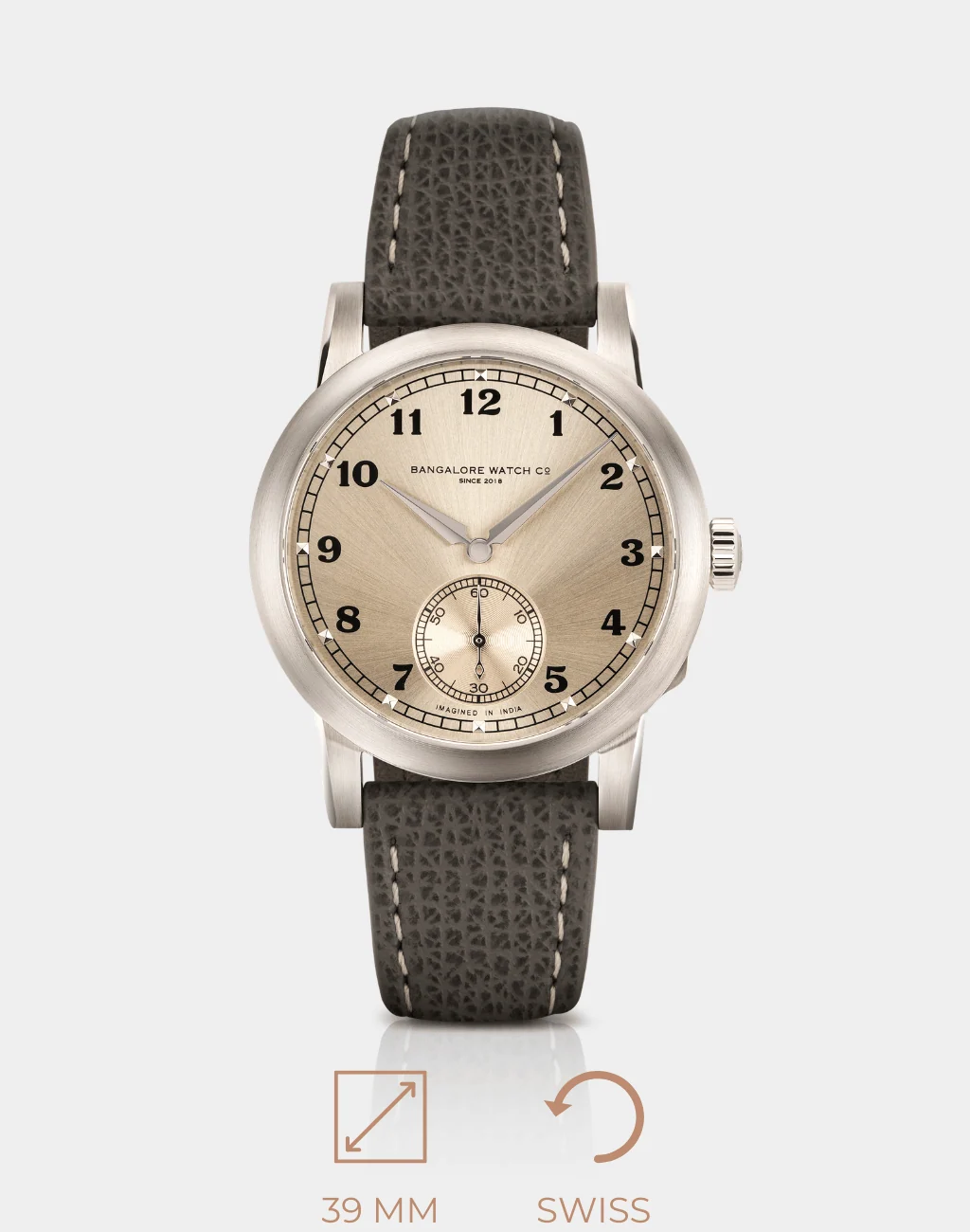
Bangalore Watch Company makes the question tangible with the Epoch Executive and its locket caseback. There is a place on the watch for a private image. Once the faces in a picture have slipped out of living memory, though, a locket cannot identify them. Names and a date written somewhere safe can give a future owner a way back into that little scene. Privacy matters here too. A family may want to pass an image between two people without making it part of a public collecting history.
These are possibilities drawn from the watches and their makers’ accounts. None of the family histories imagined here belongs to a documented owner. That boundary suggests a useful habit for anyone filling out the card. Write down one thing the maker can substantiate and one thing you remember yourself. Give each a date if you know it. Leave room for the next person to add a line. The watch may remain recognisable for generations, but the first person who thought it worth keeping has only one chance to explain why.